Material compatibility reference
Acrylic Fabrication Compatibility
A rigid, clear or colored plastic (PMMA) widely used for signs, displays, and parts. Acrylic is a material where the laser wavelength matters enormously — CO2 and diode lasers behave very differently with it.
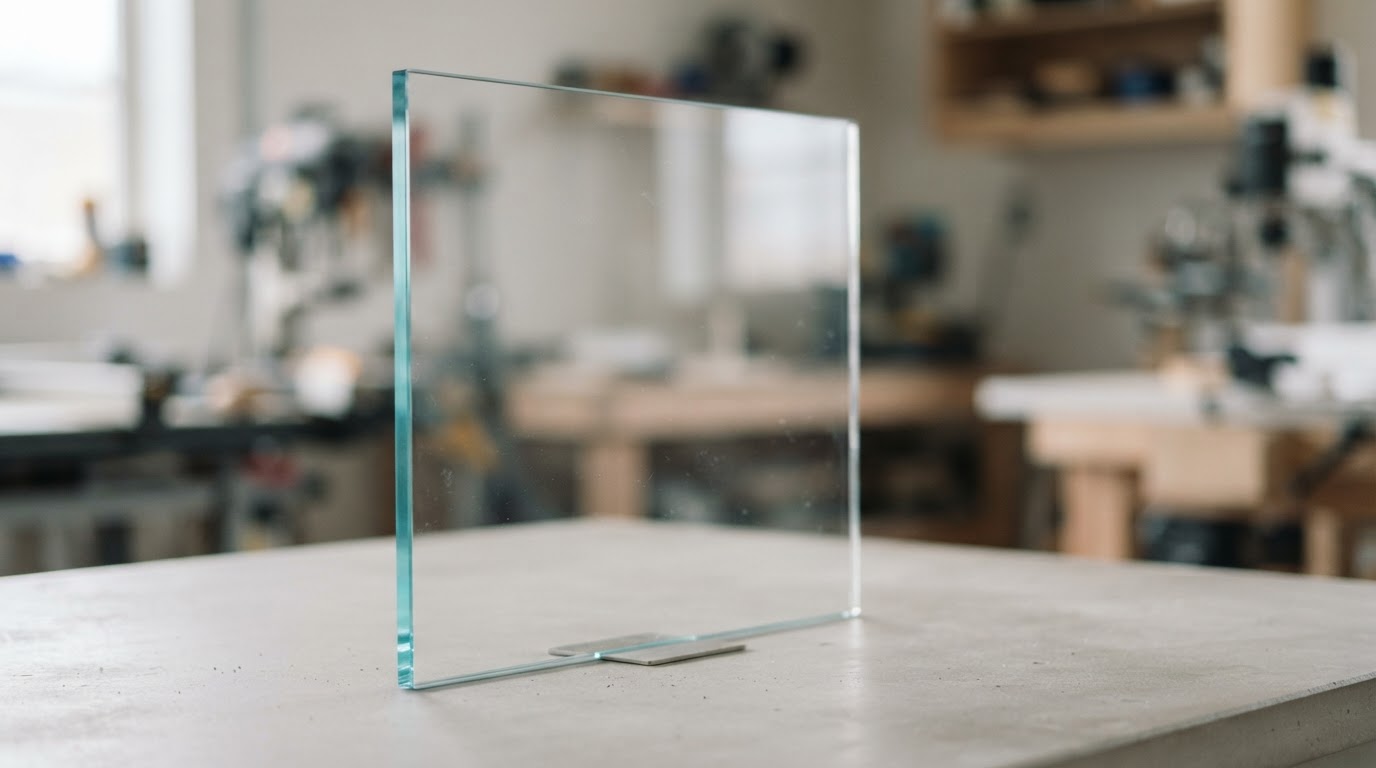
Quick compatibility overview
How each digital fabrication technology relates to acrylic at a glance. See the sections below for detail.
- Diode LaserLimited — Possible but with significant constraints; often not the best choice.
- CO2 LaserExcellent — A strong, well-suited match for this material.
- Fiber LaserNot applicable — Not a meaningful combination for this material and technology.
- CNC RouterConditional — Works, but depends heavily on machine, settings, or material specifics.
- FDM 3D PrintingNot applicable — Not a meaningful combination for this material and technology.
- Resin 3D PrintingNot applicable — Not a meaningful combination for this material and technology.
Compatibility by technology
What each process can do with acrylic, important limitations, and safety considerations.
Diode Laser
Limited — Possible but with significant constraints; often not the best choice.Typical blue diode lasers generally cannot cut clear acrylic and do not engrave it cleanly. The wavelength passes through clear acrylic rather than being absorbed. Some colored or opaque acrylics may mark, but diode is not a general-purpose acrylic process.
Operations
- Engraving
Suited to
- Marking some opaque or specially pigmented acrylics, depending on pigment
Limitations
- Clear acrylic is largely transparent to blue diode wavelengths
- Not a reliable cutting process for clear acrylic
- Results vary by pigment and manufacturer — confirm before processing
Safety considerations
- Never assume an unknown plastic is safe to laser-process — confirm the material composition first.
Compatibility of Diode Laser with Acrylic.
CO2 Laser
Excellent — A strong, well-suited match for this material.CO2 lasers are one of the strongest matches for acrylic. They cut clear and colored acrylic cleanly with a flame-polished edge, and engrave it well. This is a core application for CO2 machines.
Operations
- Cutting
- Engraving
Suited to
- Clean cutting of clear and colored acrylic sheet
- Flame-polished cut edges (a characteristic CO2 advantage)
- Engraving acrylic for signs and displays
Limitations
- Ventilation is required — acrylic cutting produces fumes
- Cast and extruded acrylic behave differently; results vary by type
Safety considerations
- Adequate ventilation/exhaust is required when cutting acrylic
- Follow manufacturer guidance for acrylic cutting settings
Compatibility of CO2 Laser with Acrylic.
Fiber Laser
Not applicable — Not a meaningful combination for this material and technology.Fiber lasers are designed for metal marking and engraving and are not a practical process for acrylic. The wavelength and power profile are not suited to clear plastic sheet.
Suited to
Limitations
- Fiber lasers are not an acrylic cutting or engraving tool
- Using the wrong laser type on a material can damage the material or machine
Compatibility of Fiber Laser with Acrylic.
CNC Router
Conditional — Works, but depends heavily on machine, settings, or material specifics.A CNC router can machine acrylic stock into parts, profiles, and pockets. It is a workable process, but heat management and chip control are important — acrylic can melt or chip rather than cut cleanly if feeds, speeds, or tooling are wrong.
Operations
- Machining
Suited to
- Profiling and pocketing acrylic sheet
- Parts where the original stock properties matter
Limitations
- Heat buildup can melt the edge — tooling, feeds, and speeds must be appropriate for plastic
- Chip control and workholding matter; acrylic can crack if stressed
- Edges generally need finishing to match a laser-cut edge
Safety considerations
- Acrylic chips and dust are a slip and cleanup hazard — manage debris.
Compatibility of CNC Router with Acrylic.
FDM 3D Printing
Not applicable — Not a meaningful combination for this material and technology.FDM printers print thermoplastic filament, not acrylic stock. A printed part is a different material and process from machined or laser-cut acrylic — they are not interchangeable just because both are plastic.
Suited to
Limitations
- FDM does not process acrylic sheet
- A printed plastic part is not equivalent to acrylic stock
Compatibility of FDM 3D Printing with Acrylic.
Resin 3D Printing
Not applicable — Not a meaningful combination for this material and technology.Resin printers cure photopolymer resin and do not process acrylic stock. A printed resin part is a different material from acrylic.
Suited to
Limitations
- Resin printing does not produce acrylic parts
Compatibility of Resin 3D Printing with Acrylic.
Material safety notes
- Acrylic cutting produces fumes — ventilation is required for laser cutting.
- Do not laser-process unknown plastics. Confirm the material is acrylic and is appropriate for the laser type before processing.
Notes & context
- Acrylic is a textbook example of why "a laser" is not one technology: CO2 excels at it, diode largely cannot cut clear acrylic, and fiber is not an acrylic tool.
- Cast and extruded acrylic behave differently for both laser and machining work — confirm the acrylic type for your process.