Build Smarter. Choose Better Workshop Technology.
Digital Workshop Guide helps you understand, compare, and choose 3D printers, laser engravers, CNC routers, software, materials, and related workshop technology — explained clearly, with research you can trust.
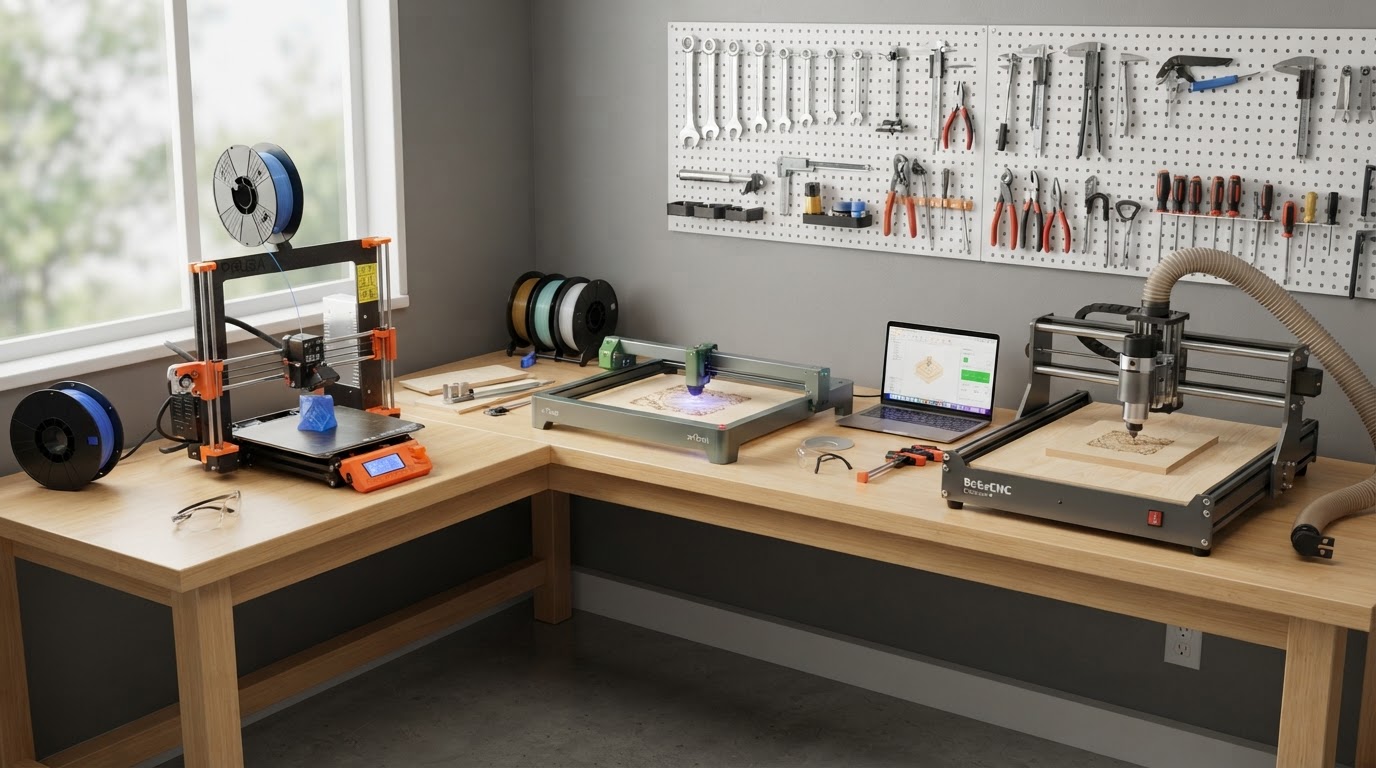
Explore by technology
Three core areas of digital fabrication
Each area is its own hub — a major entrance into buying guides, educational content, and practical references. Start with the technology you're researching.
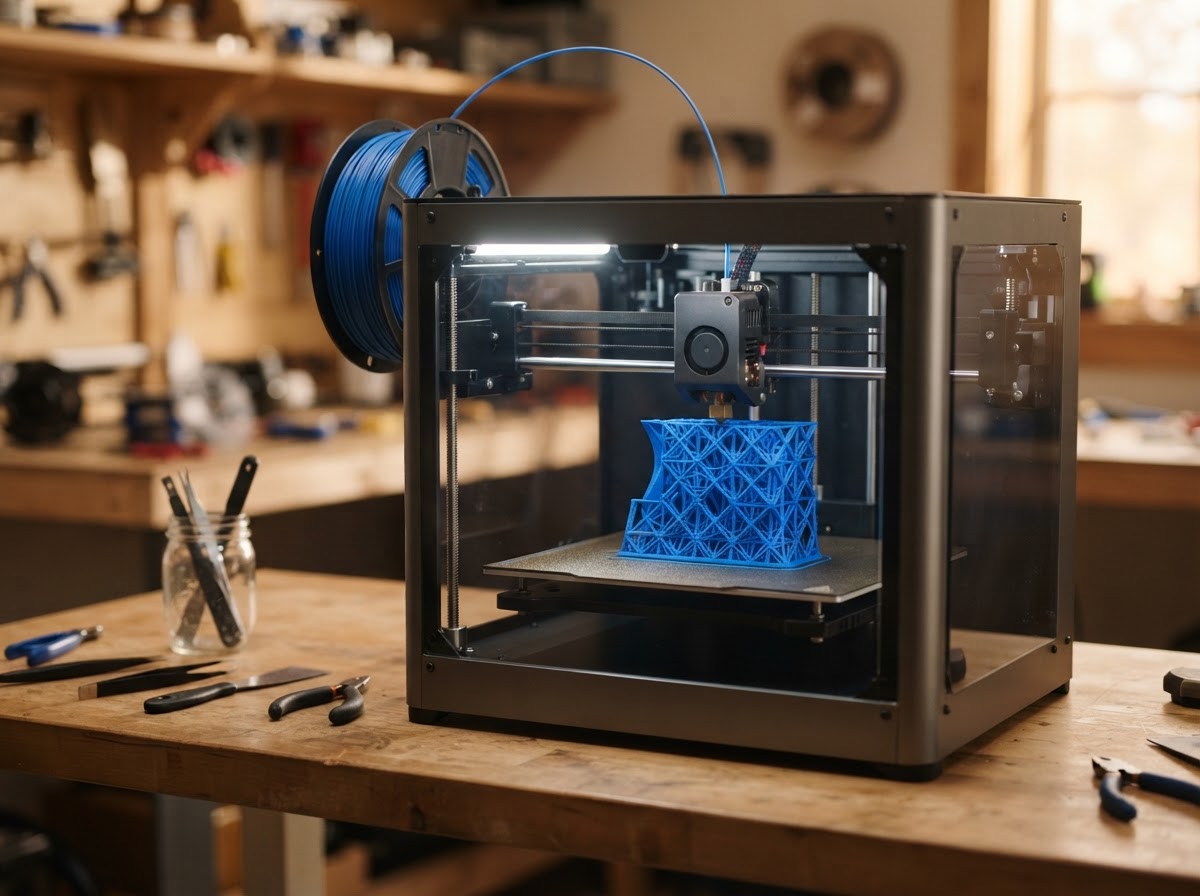
3D Printing
Explore printers, filament, resin, software, accessories, troubleshooting, and buying guides for FDM and resin 3D printing.
Explore 3D Printing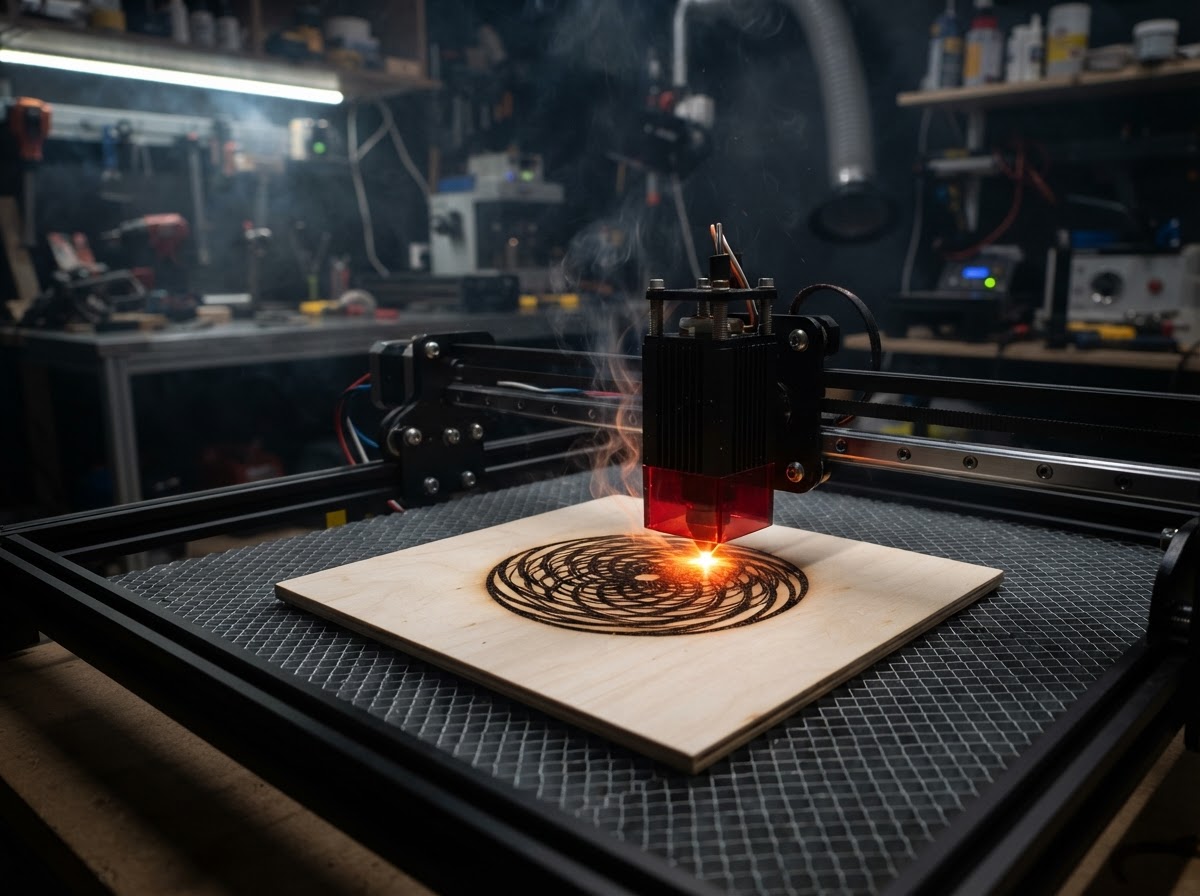
Laser Engraving & Cutting
Learn about diode, CO2, and fiber lasers, materials, software, accessories, and choosing the right machine for your work.
Explore Laser Engraving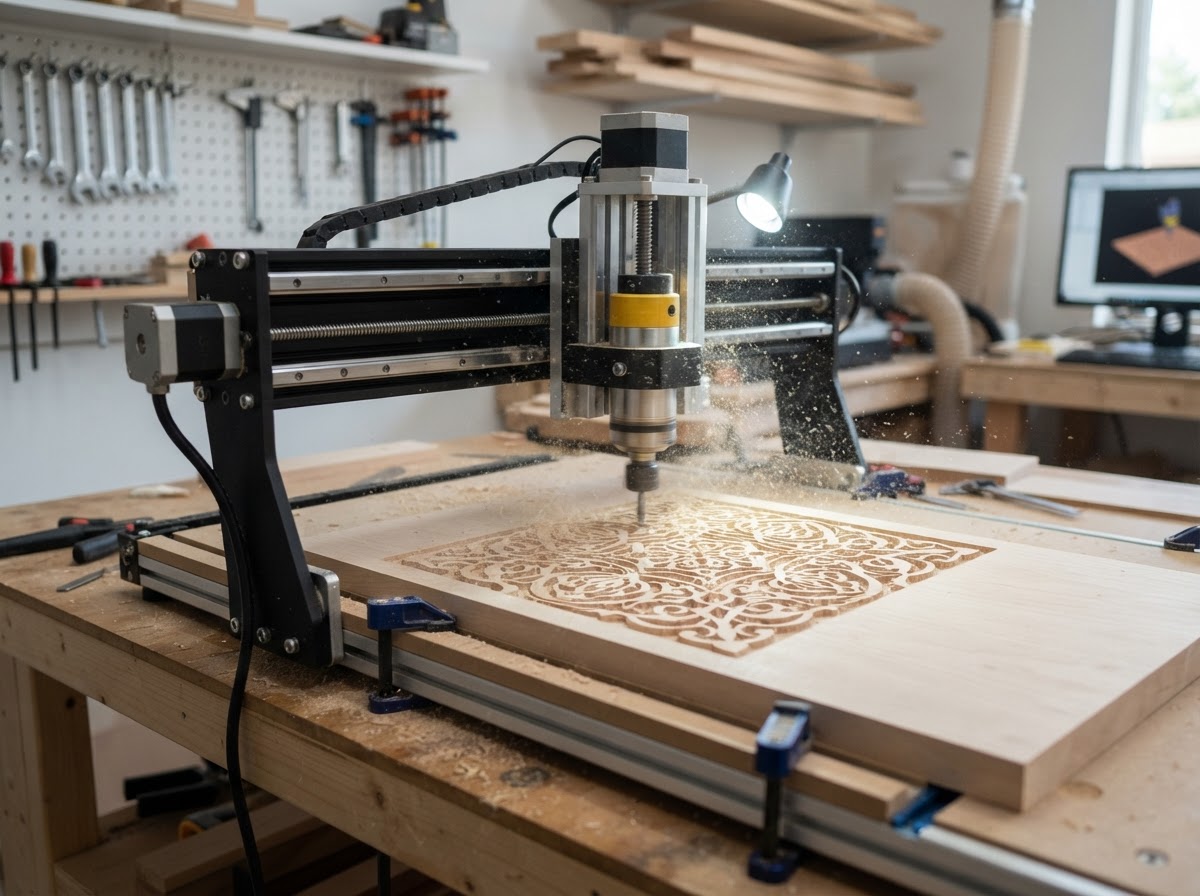
CNC Routers
Understand desktop CNC machines, woodworking and metal applications, router bits, software, accessories, and machine selection.
Explore CNC RoutersNot sure which machine you need?
If you're new to digital fabrication, start with these side-by-side comparisons. They break down what each technology actually does, where each one excels, and which makes sense for your projects and budget.
See all guidesOr try the interactive Which Machine Do I Need? selector — answer a few questions about what you want to make and get a technology recommendation.
Already have a material in mind? See how it works with diode, CO2, and fiber lasers, CNC routers, and FDM and resin printers in the Material Compatibility Database.
- 01Types of Laser Engravers: Diode vs CO2 vs FiberThe practical difference between diode, CO2, and fiber lasers comes down to wavelength — and wavelength decides which materials each technology can actually process.
- 02FDM vs Resin 3D Printing: Which Is Right for You?Neither FDM nor resin is universally better. This deep comparison covers how each works, detail and functional parts, miniatures, materials, post-processing, workspace, safety, cost, speed, and which fits your projects.
- 03Diode vs. CO2 vs. Fiber LasersThe three laser technologies compared by material compatibility and cost.
- 043D Printer vs. Laser EngraverAdditive vs. subtractive: which belongs in your workshop first?
- 05Laser Cutter vs. CNC Router: Which One Should You Choose?Laser cutters and CNC routers overlap on wood and signs but remove material in fundamentally different ways. Compare materials, depth, detail, workspace, cost, and which process fits the things you actually want to make.
Buying guides
Current buying guides
These guides help you narrow down options by use case, budget, and specifications — based on manufacturer documentation and clearly identified third-party information, not on hands-on testing we haven't done.
 Buying Guide
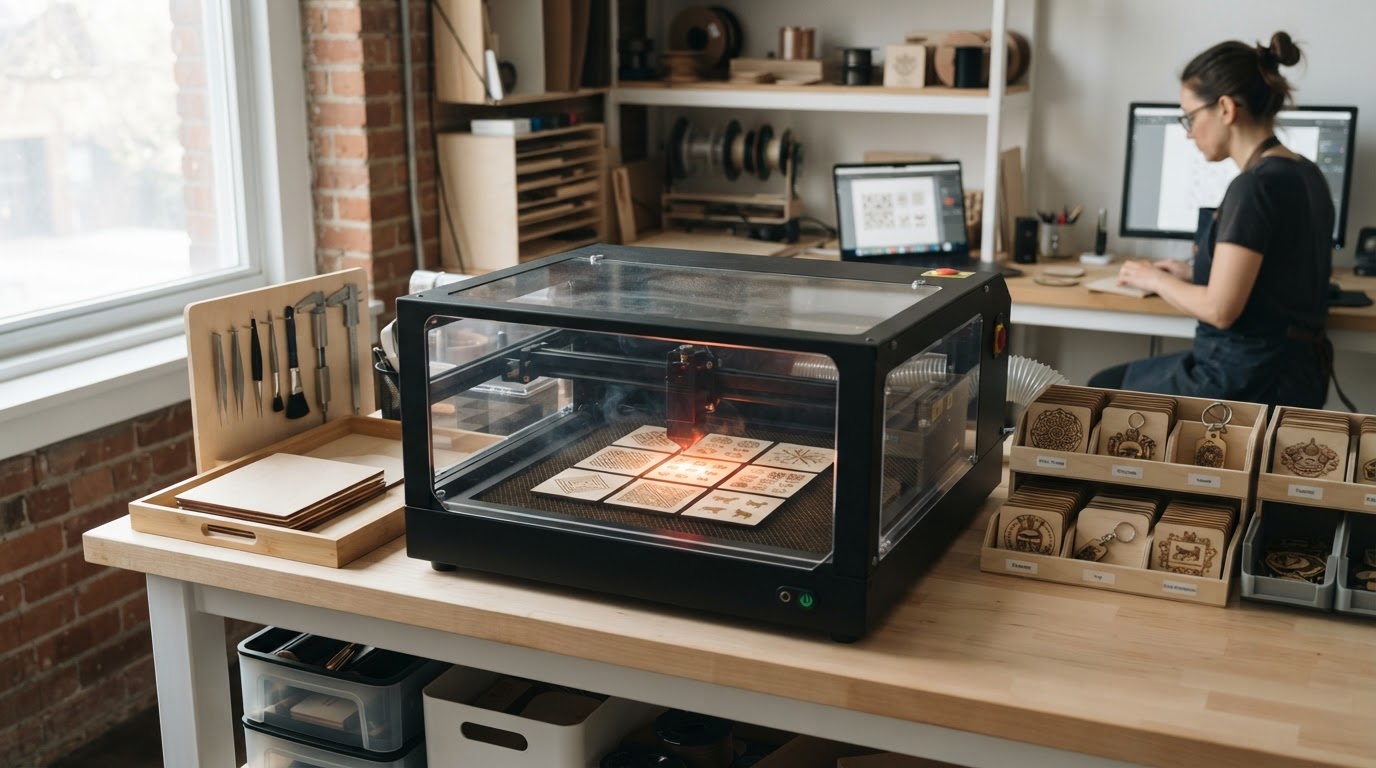
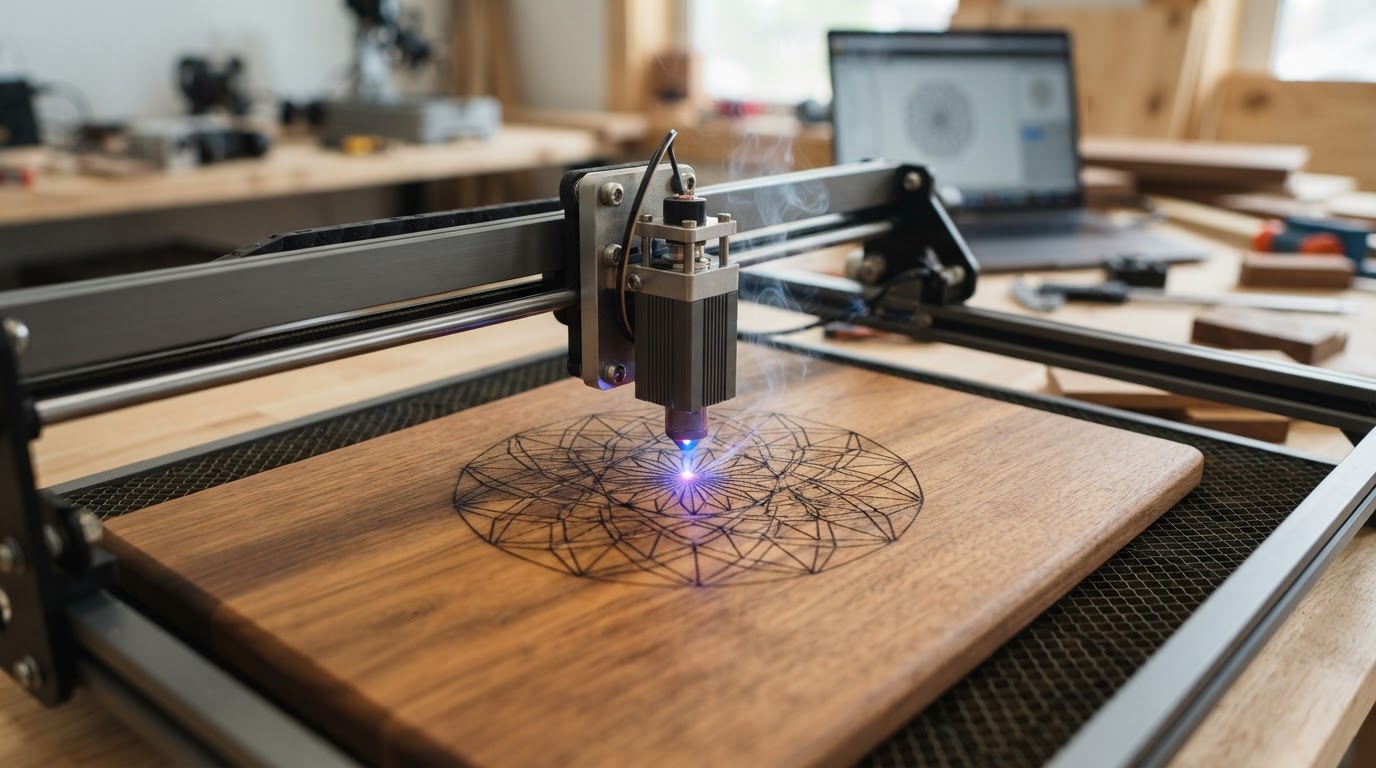
Best Laser Engravers for Wood
Compare laser engravers for wood by laser type, power, work area, cutting needs, and price. Learn when diode or CO2 makes the most sense.
 Buying Guide
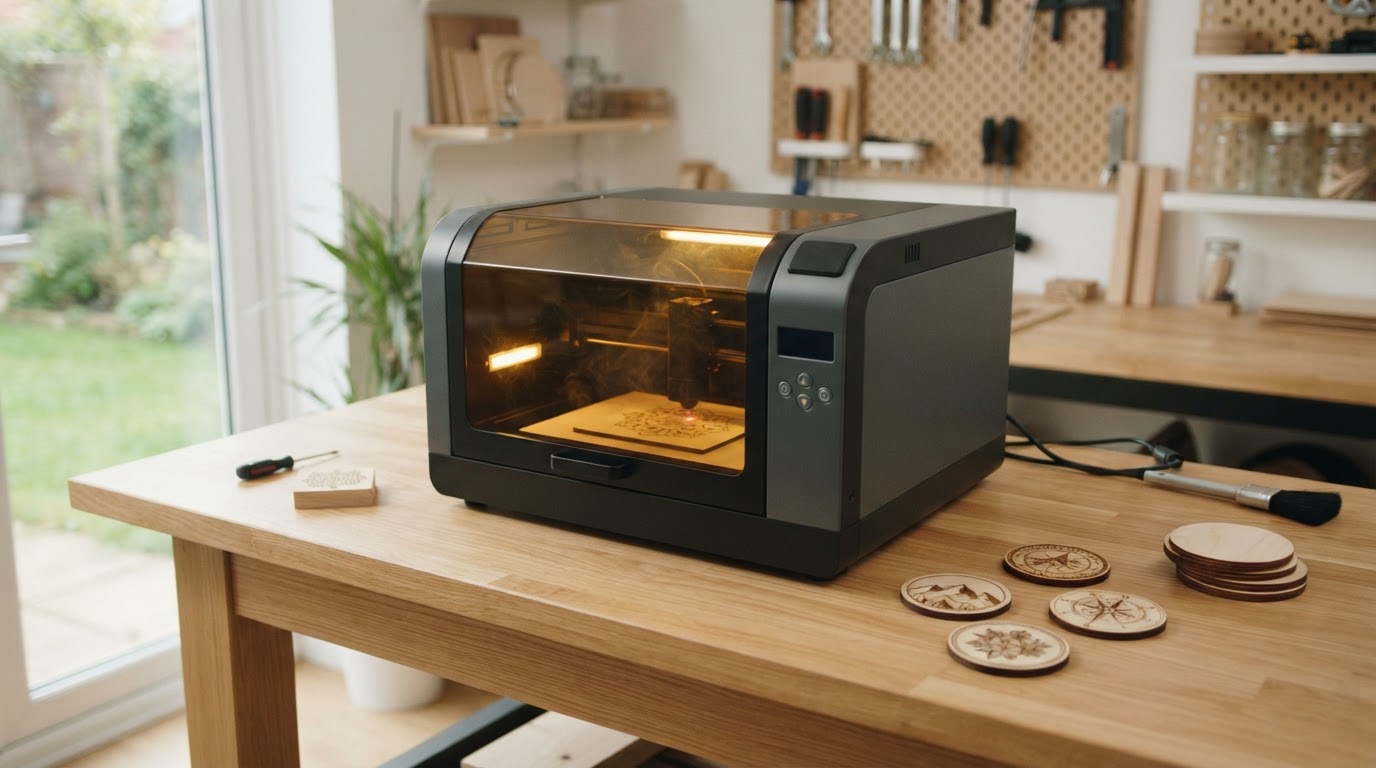
Best Laser Engravers for Beginners
Your first laser should be safe to learn on and not something you outgrow in a month. Compare beginner machines by enclosure, software, work area, and total startup cost.
 Buying Guide
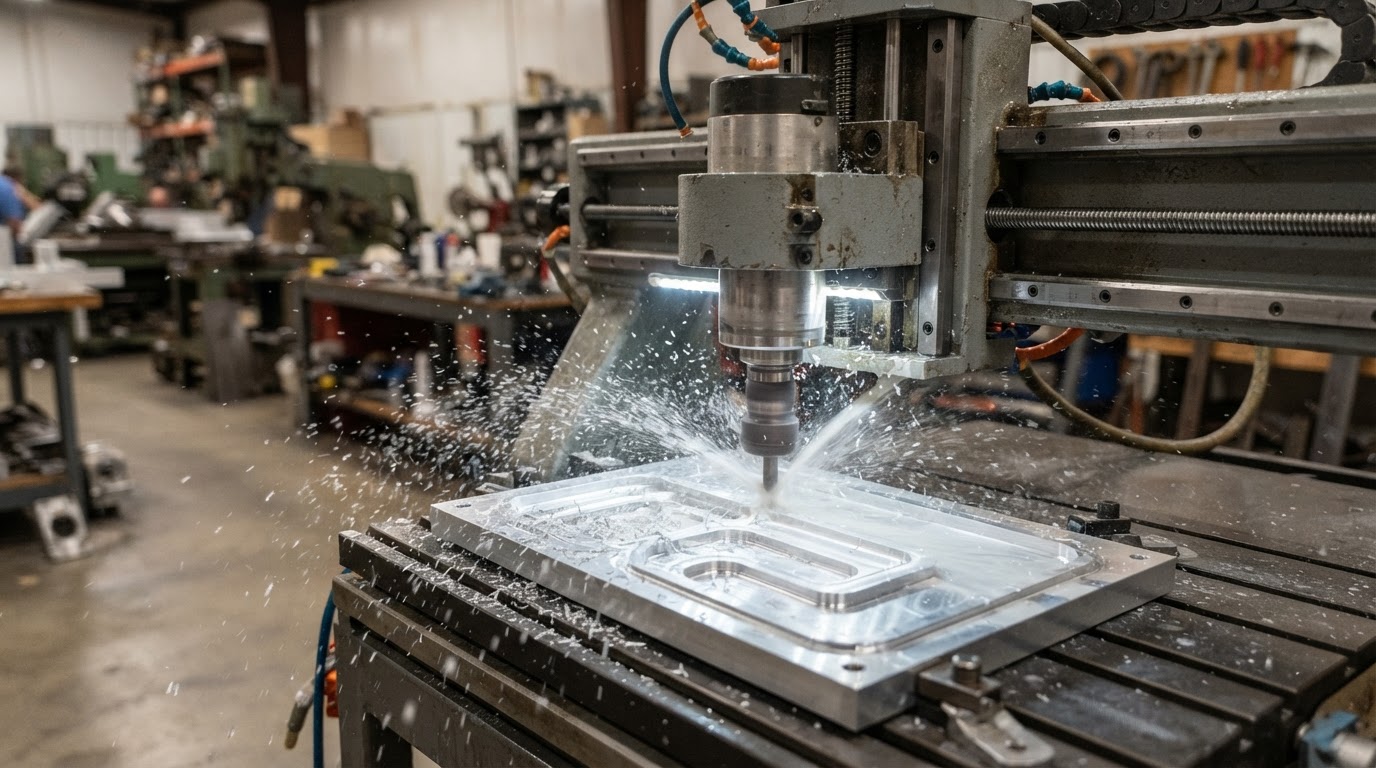
Best CNC Routers for Aluminum
Compare desktop and small-shop CNC routers with documented aluminum capability by frame rigidity, spindle options, work area, and price.
Learn & troubleshoot
Educational & problem-solving content
- Educational
3D Printers for Beginners: What to Know Before Buying
A first-time buyer's guide to 3D printing: how it works, FDM vs resin, the materials and specs that actually matter, software, costs, safety, and how to choose your first printer.
- Educational
How Much Does a 3D Printer Cost? 2026 Price Guide
See what 3D printers cost in 2026, what you get at different price levels, and what to budget for filament, resin, accessories, maintenance, and more.
- Educational
3D Printing Bed Adhesion Explained: Fix First-Layer Problems and Warping
Why 3D prints won't stick to the bed, how to recognize first-layer problems, how warping differs from initial adhesion failure, and how to troubleshoot bed adhesion systematically without damaging your build plate.
- Educational
Are 3D Printers Worth It? Costs, Use Cases & Who Should Buy One
A realistic look at whether a 3D printer is worth buying: the real costs, what you can actually make, the time and learning involved, and who should — and shouldn't — buy one.
- Educational
3D Printing Infill Explained: Patterns, Density, Strength & Print Time
What infill actually does in an FDM print, how density and pattern affect strength, print time, and filament use, and how to choose sensible starting settings in your slicer — without defaulting to 100%.
- Educational
3D Printing Supports Explained: Tree vs. Normal Supports, Overhangs & Easy Removal
When FDM prints need supports, how tree and normal supports differ, how to choose support settings in your slicer, and how to remove supports without damaging the part.
Research you can trust
Digital Workshop Guide exists to make complicated workshop technology easier to understand.
Our recommendations focus on practical differences, specifications, compatibility, intended use, cost, and documented capabilities — not on hype. We don't claim to have personally tested or owned equipment unless we explicitly say so, and we never fabricate test results, ratings, or experience. Where we reference third-party information, we identify it.
Specs first
Manufacturer specifications and documented features ground our comparisons.
Plain language
Technical concepts explained for beginners without dumbing them down.
Transparent
Affiliate relationships never determine our factual conclusions.