Reference database
Material Compatibility Database
Choose a material to see how it works with laser cutters, CNC routers, and 3D printers — including what each process can do, important limitations, and safety considerations.
This database is growing deliberately. Each record is a researched reference page, not a thin placeholder — new materials are added as their compatibility is verified. Not sure which machine to start with? Try the Which Machine Do I Need? selector.
Material category
Technology
Compatibility
13 researched materials
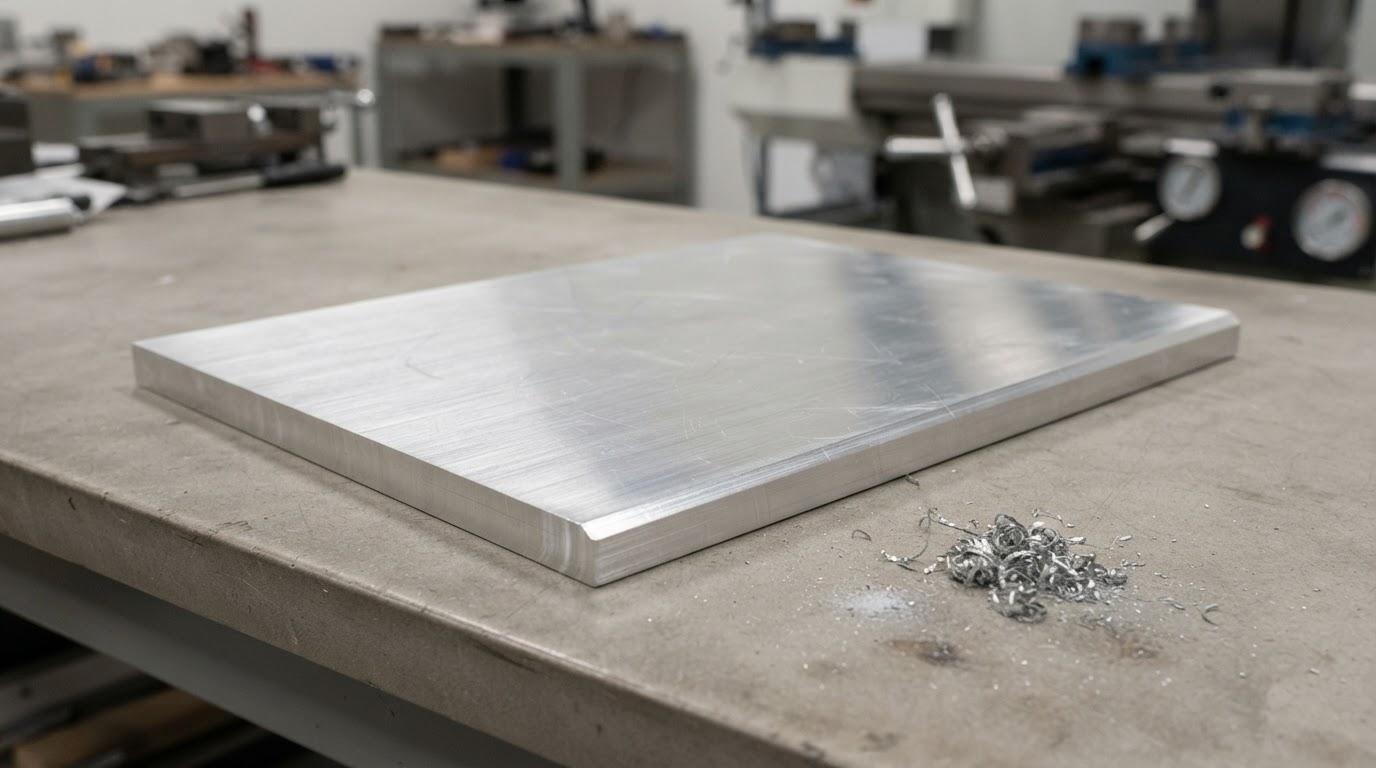 Metals
A soft, machinable nonferrous metal used for brackets, plates, and mechanical parts. How it can be worked depends heavily on the machine, tooling, and process — not all digital fabrication tools are equally suited to it.
- Laser
- DiodeNot recommended — Technically possible in some cases but generally a poor or unsafe choice.CO2Not recommended — Technically possible in some cases but generally a poor or unsafe choice.FiberGood — A capable match with normal considerations.
- CNC
- CNCConditional — Works, but depends heavily on machine, settings, or material specifics.
- 3D Printing
- FDMNot applicable — Not a meaningful combination for this material and technology.ResinNot applicable — Not a meaningful combination for this material and technology.
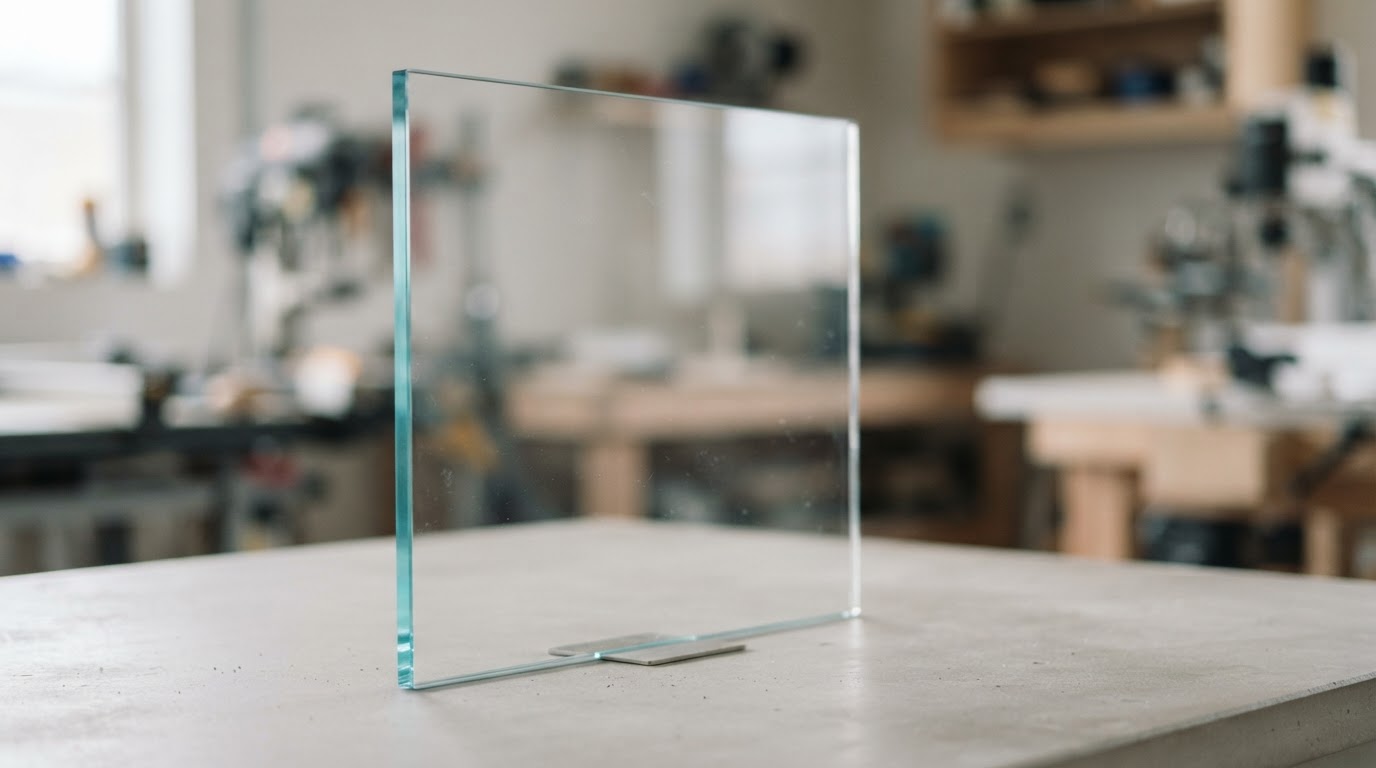 Plastics
A rigid, clear or colored plastic (PMMA) widely used for signs, displays, and parts. Acrylic is a material where the laser wavelength matters enormously — CO2 and diode lasers behave very differently with it.
- Laser
- DiodeLimited — Possible but with significant constraints; often not the best choice.CO2Excellent — A strong, well-suited match for this material.FiberNot applicable — Not a meaningful combination for this material and technology.
- CNC
- CNCConditional — Works, but depends heavily on machine, settings, or material specifics.
- 3D Printing
- FDMNot applicable — Not a meaningful combination for this material and technology.ResinNot applicable — Not a meaningful combination for this material and technology.
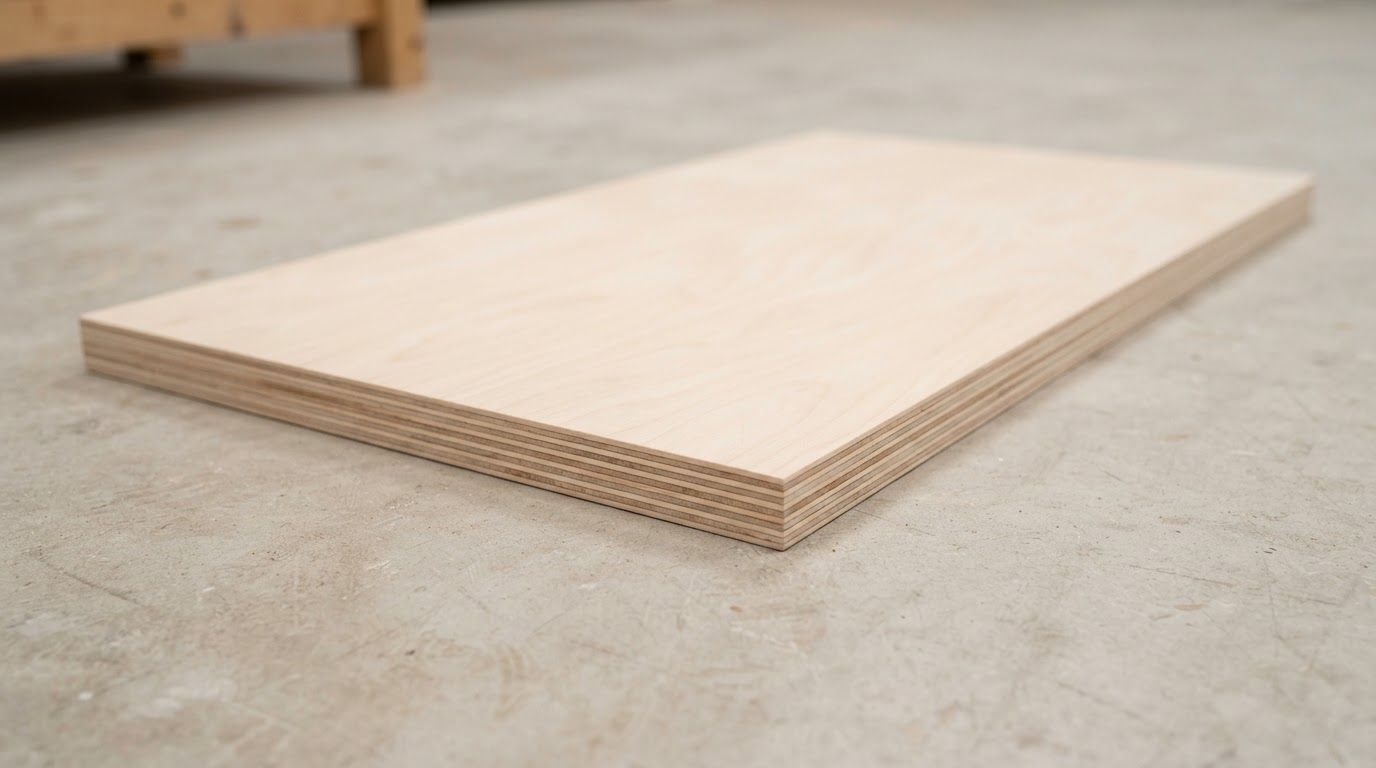 Wood & Wood Products
An engineered wood sheet made of glued veneer layers. Plywood is a material where lasers and CNC routers overlap heavily, but each process suits different operations and produces different results.
- Laser
- DiodeGood — A capable match with normal considerations.CO2Excellent — A strong, well-suited match for this material.FiberNot applicable — Not a meaningful combination for this material and technology.
- CNC
- CNCExcellent — A strong, well-suited match for this material.
- 3D Printing
- FDMNot applicable — Not a meaningful combination for this material and technology.ResinNot applicable — Not a meaningful combination for this material and technology.
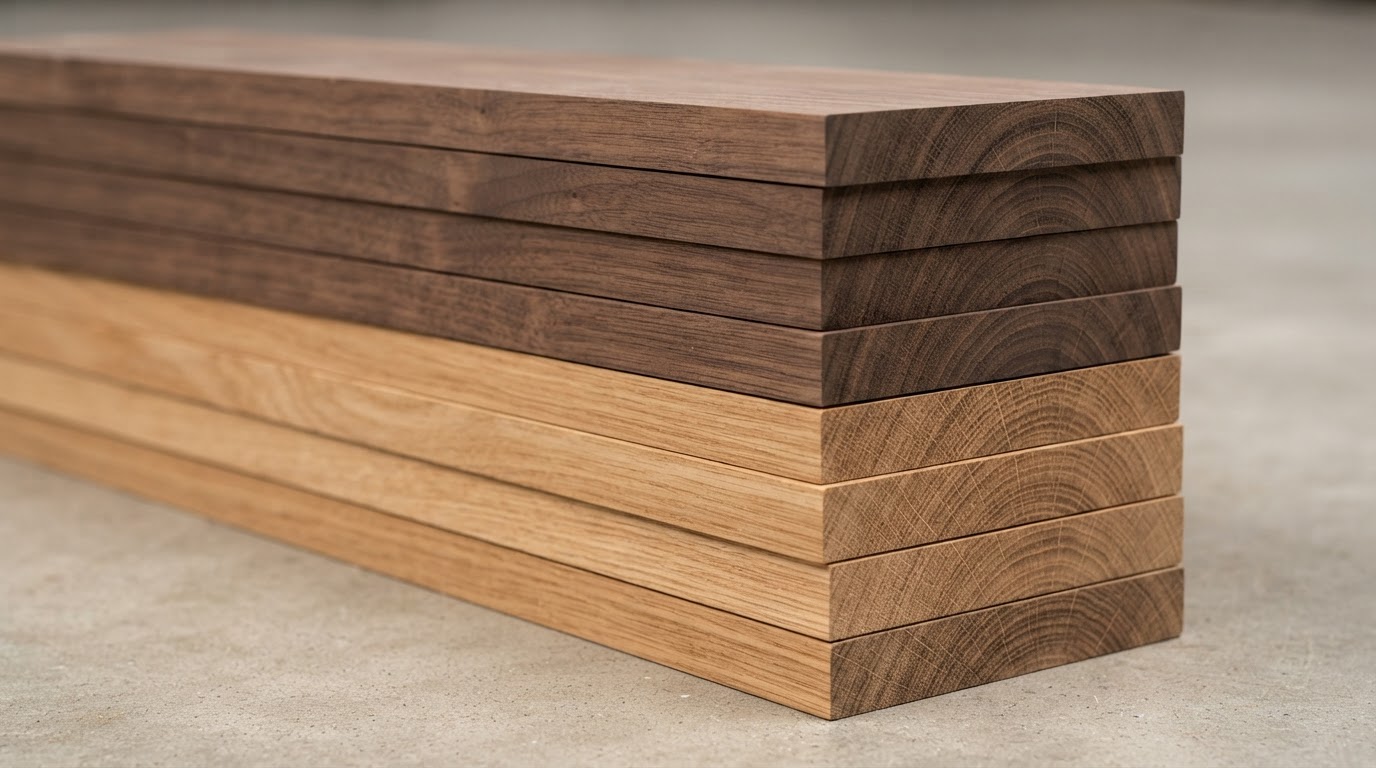 Wood & Wood Products
A broad category of dense wood from broadleaf trees — oak, maple, walnut, cherry and many others. Hardwood is a strong CNC and laser material, but species vary enormously in density, resin content, grain and charring behavior, so no single setting applies to all hardwoods.
- Laser
- DiodeGood — A capable match with normal considerations.CO2Excellent — A strong, well-suited match for this material.FiberNot applicable — Not a meaningful combination for this material and technology.
- CNC
- CNCExcellent — A strong, well-suited match for this material.
- 3D Printing
- FDMNot applicable — Not a meaningful combination for this material and technology.ResinNot applicable — Not a meaningful combination for this material and technology.
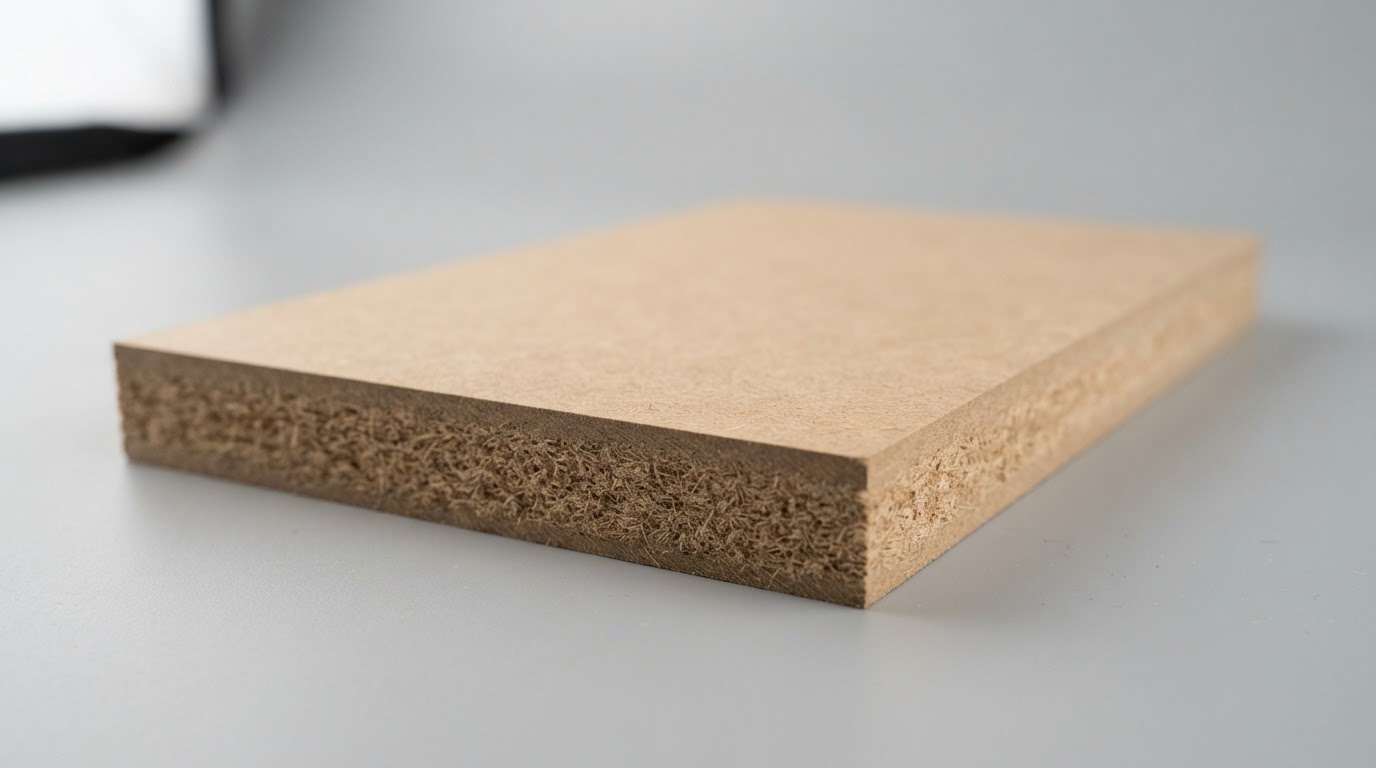 Wood & Wood Products
Medium-density fiberboard — an engineered wood panel made of fine wood fibers bonded with resin adhesive. MDF cuts and machines cleanly, but its binder content (often formaldehyde-based) makes ventilation and dust collection especially important, and it is not equivalent to natural solid wood.
- Laser
- DiodeConditional — Works, but depends heavily on machine, settings, or material specifics.CO2Good — A capable match with normal considerations.FiberNot applicable — Not a meaningful combination for this material and technology.
- CNC
- CNCExcellent — A strong, well-suited match for this material.
- 3D Printing
- FDMNot applicable — Not a meaningful combination for this material and technology.ResinNot applicable — Not a meaningful combination for this material and technology.
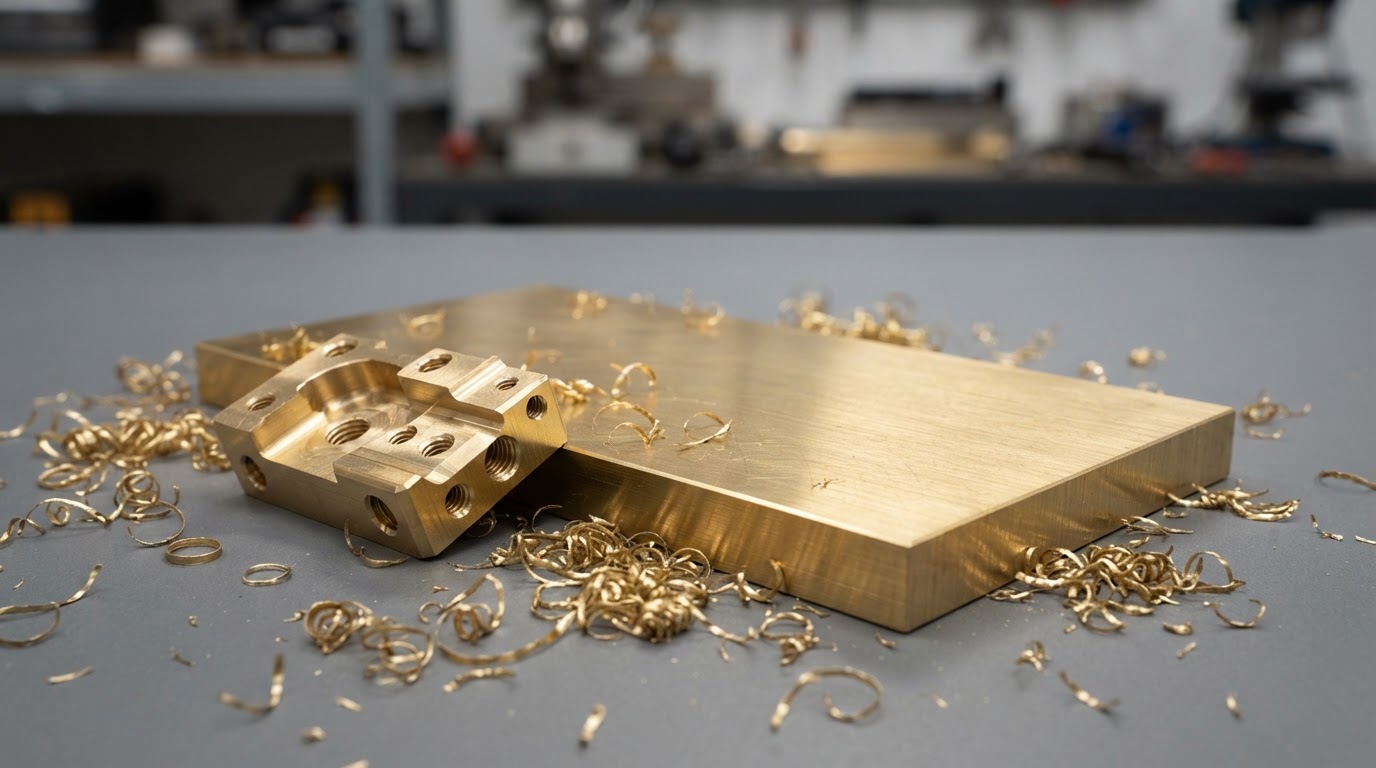 Metals
A machinable copper-zinc alloy used for decorative parts, fittings, and mechanical components. Brass can be marked with the right laser and machined on a capable CNC, but laser marking is very different from laser cutting, and not every CNC router is equally suited to it.
- Laser
- DiodeNot recommended — Technically possible in some cases but generally a poor or unsafe choice.CO2Not recommended — Technically possible in some cases but generally a poor or unsafe choice.FiberGood — A capable match with normal considerations.
- CNC
- CNCConditional — Works, but depends heavily on machine, settings, or material specifics.
- 3D Printing
- FDMNot applicable — Not a meaningful combination for this material and technology.ResinNot applicable — Not a meaningful combination for this material and technology.
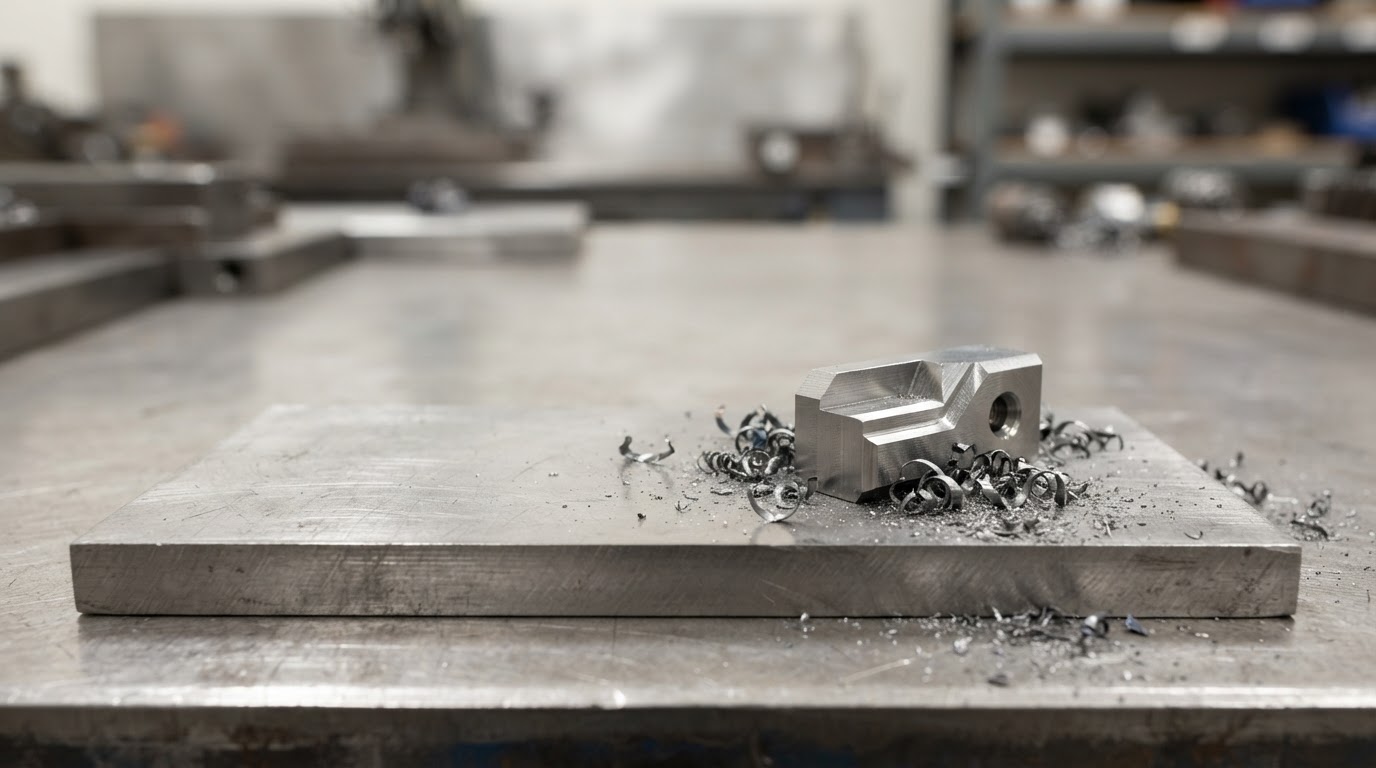 Metals
A strong iron-carbon alloy — including mild steel and stainless steel — used for structural and mechanical parts. Steel is where the distinction between a CNC router and a metalworking mill becomes most important, and where fiber laser marking is very different from fiber laser cutting.
- Laser
- DiodeNot recommended — Technically possible in some cases but generally a poor or unsafe choice.CO2Not recommended — Technically possible in some cases but generally a poor or unsafe choice.FiberConditional — Works, but depends heavily on machine, settings, or material specifics.
- CNC
- CNCNot recommended — Technically possible in some cases but generally a poor or unsafe choice.
- 3D Printing
- FDMNot applicable — Not a meaningful combination for this material and technology.ResinNot applicable — Not a meaningful combination for this material and technology.
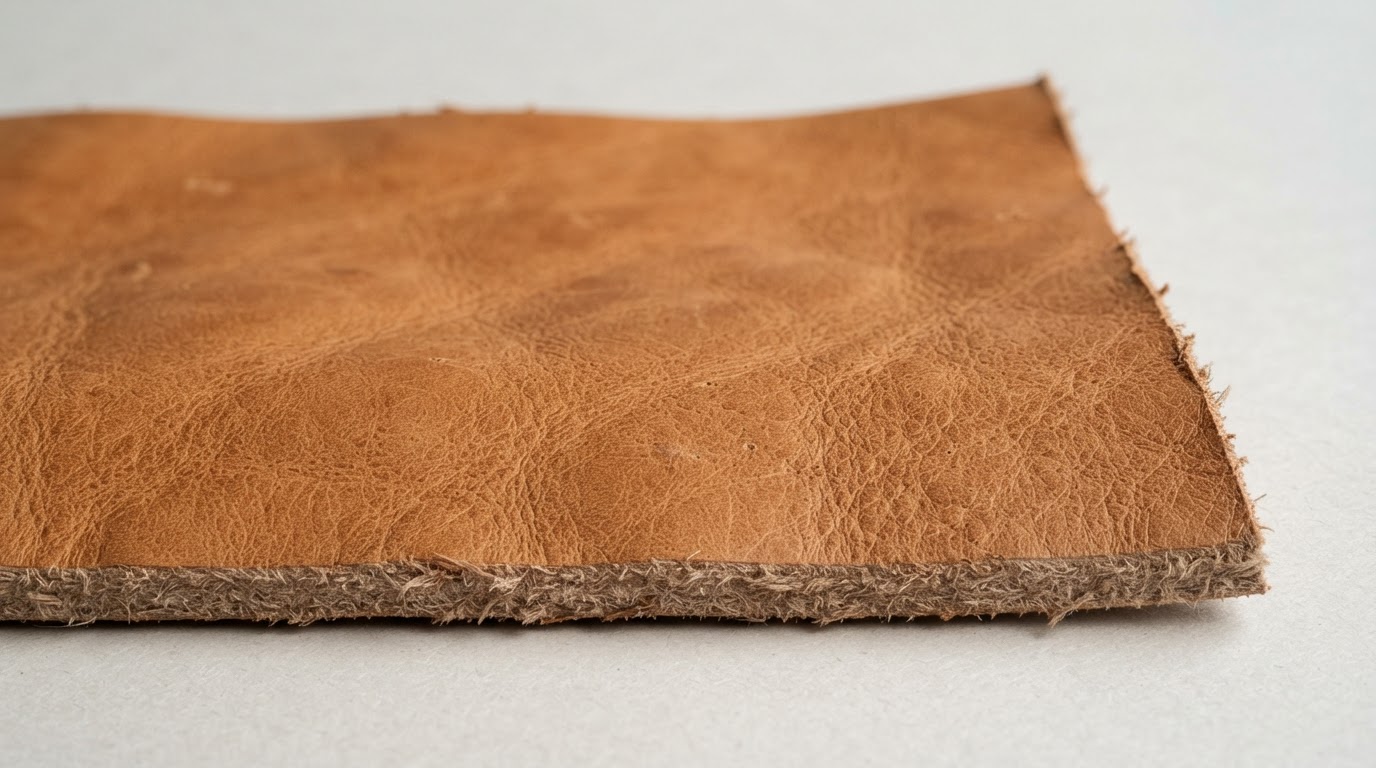 Natural Materials
A natural animal-hide material used for goods, wallets, labels, and decoration. Leather is a strong laser material, but its tanning and finishing type matters enormously for safety — vegetable-tanned leather is the common laser choice, while chrome-tanned and many coated/synthetic products can release hazardous fumes.
- Laser
- DiodeGood — A capable match with normal considerations.CO2Excellent — A strong, well-suited match for this material.FiberNot applicable — Not a meaningful combination for this material and technology.
- CNC
- CNCLimited — Possible but with significant constraints; often not the best choice.
- 3D Printing
- FDMNot applicable — Not a meaningful combination for this material and technology.ResinNot applicable — Not a meaningful combination for this material and technology.
 Other
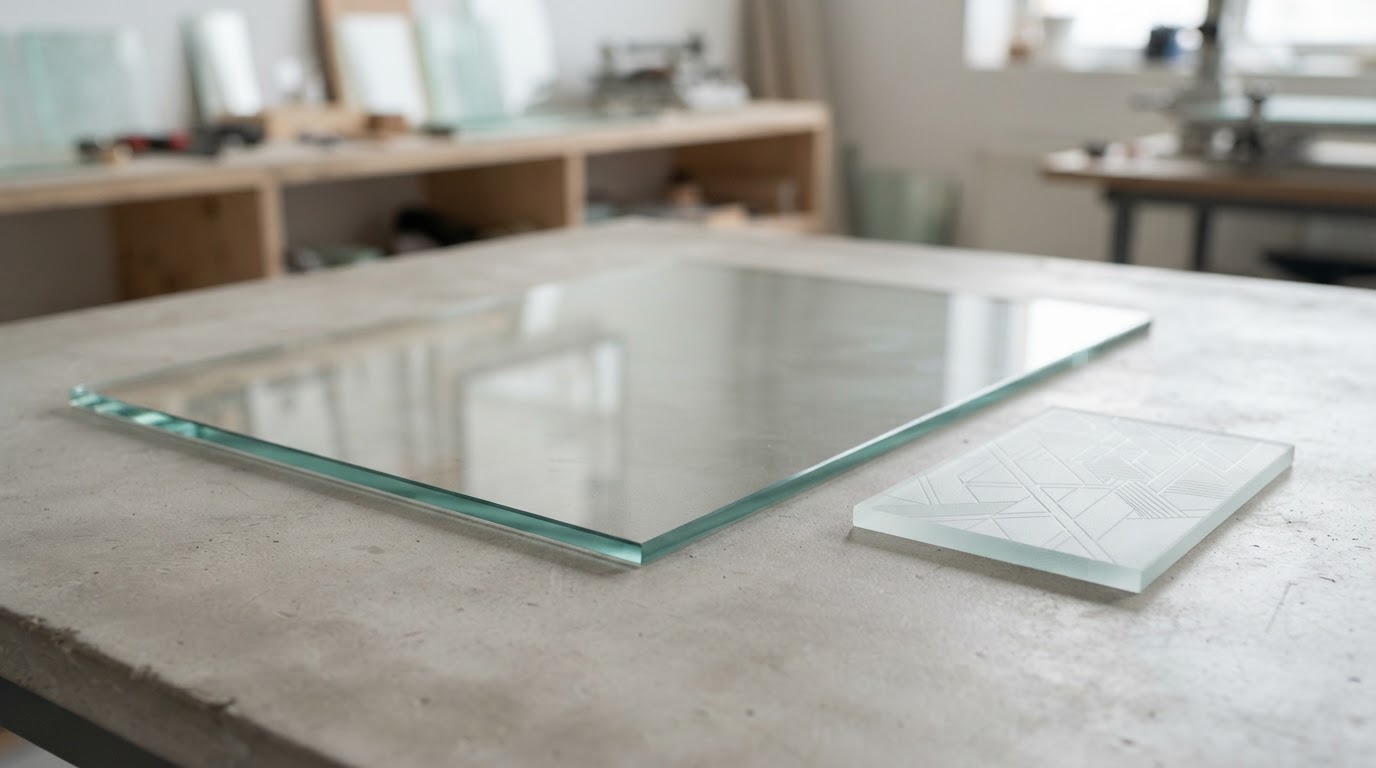
OtherA hard, brittle, transparent material made from silica. Glass is a workpiece material, not a fabrication feedstock — it can be surface-engraved by the right laser and machined only with specialized equipment, but ordinary digital fabrication tools do not cut solid glass. Engraving glass is very different from cutting it.
- Laser
- DiodeLimited — Possible but with significant constraints; often not the best choice.CO2Good — A capable match with normal considerations.FiberNot applicable — Not a meaningful combination for this material and technology.
- CNC
- CNCNot recommended — Technically possible in some cases but generally a poor or unsafe choice.
- 3D Printing
- FDMNot applicable — Not a meaningful combination for this material and technology.ResinNot applicable — Not a meaningful combination for this material and technology.
 Other
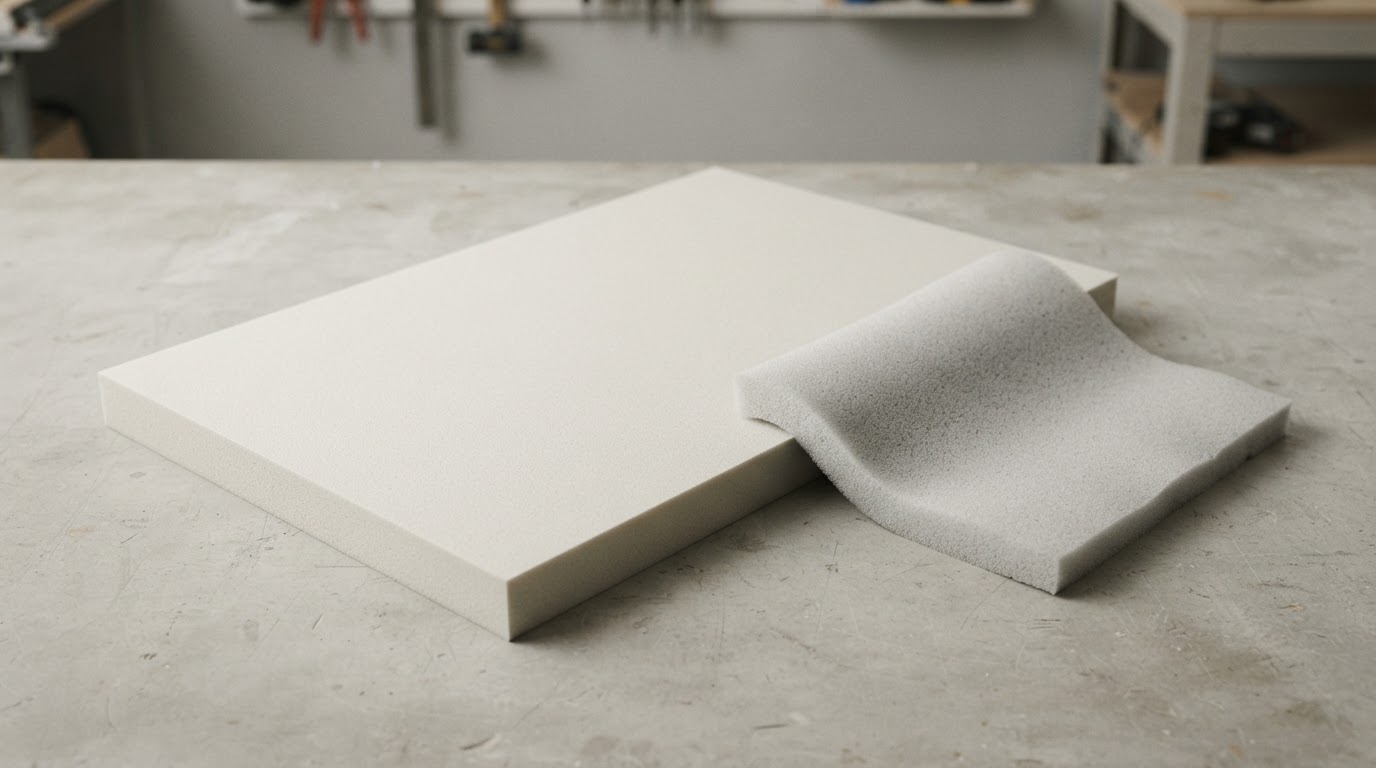
OtherFoam describes a physical structure — a material full of gas pockets — not one chemistry. Fabrication foams can be very different polymers (EVA, polyethylene, polyurethane, polystyrene, PVC-containing foams), and their compatibility and safety vary enormously. Identify the actual foam material before any laser processing; some foams release corrosive or toxic fumes when heated.
- Laser
- DiodeConditional — Works, but depends heavily on machine, settings, or material specifics.CO2Conditional — Works, but depends heavily on machine, settings, or material specifics.FiberNot applicable — Not a meaningful combination for this material and technology.
- CNC
- CNCConditional — Works, but depends heavily on machine, settings, or material specifics.
- 3D Printing
- FDMNot applicable — Not a meaningful combination for this material and technology.ResinNot applicable — Not a meaningful combination for this material and technology.
 3D Printing Materials
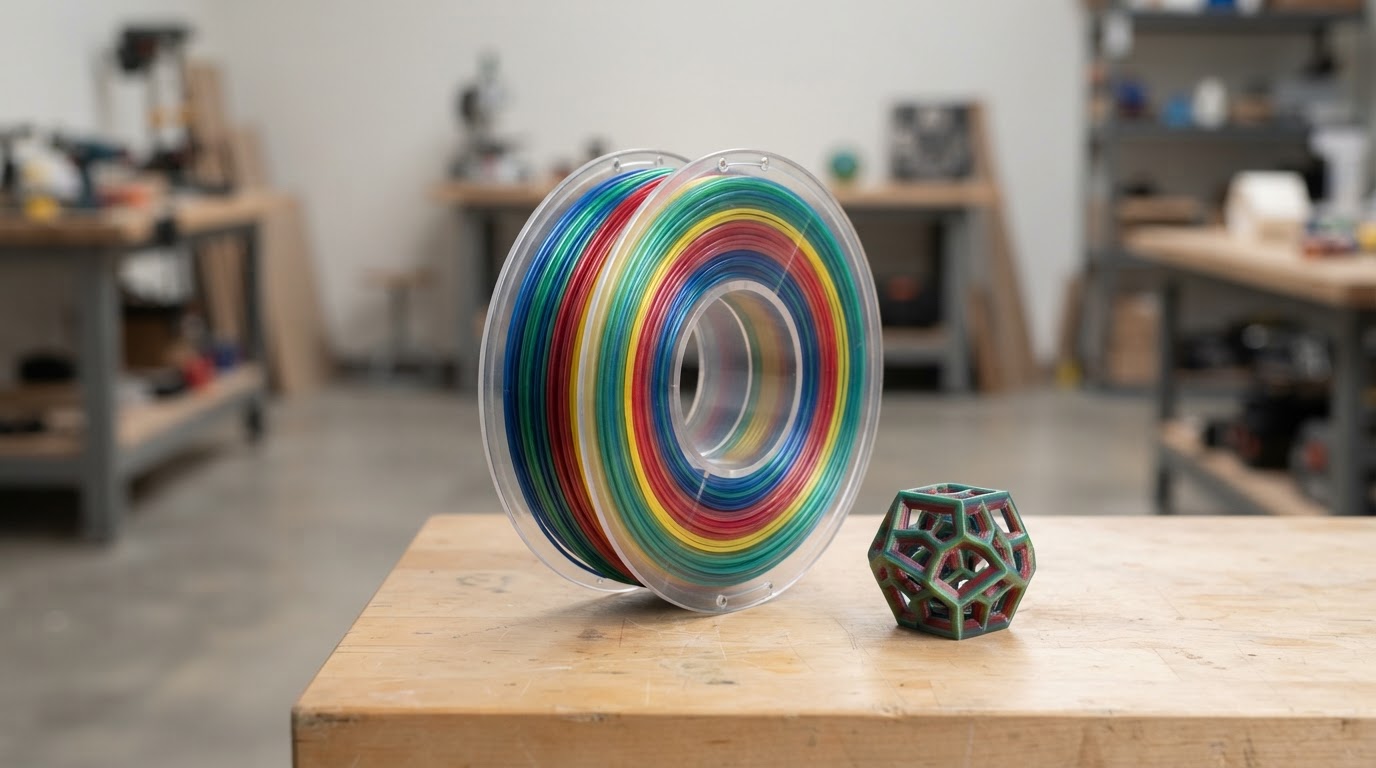
Polylactic acid — the most common desktop FDM filament. PLA is primarily a 3D-printing feedstock, not a sheet material like acrylic. A finished PLA part can sometimes be laser-engraved or machined, but PLA is not equivalent to acrylic under a laser and its low melting point affects every process that heats it.
- Laser
- DiodeLimited — Possible but with significant constraints; often not the best choice.CO2Conditional — Works, but depends heavily on machine, settings, or material specifics.FiberNot applicable — Not a meaningful combination for this material and technology.
- CNC
- CNCLimited — Possible but with significant constraints; often not the best choice.
- 3D Printing
- FDMExcellent — A strong, well-suited match for this material.ResinNot applicable — Not a meaningful combination for this material and technology.
 3D Printing Materials
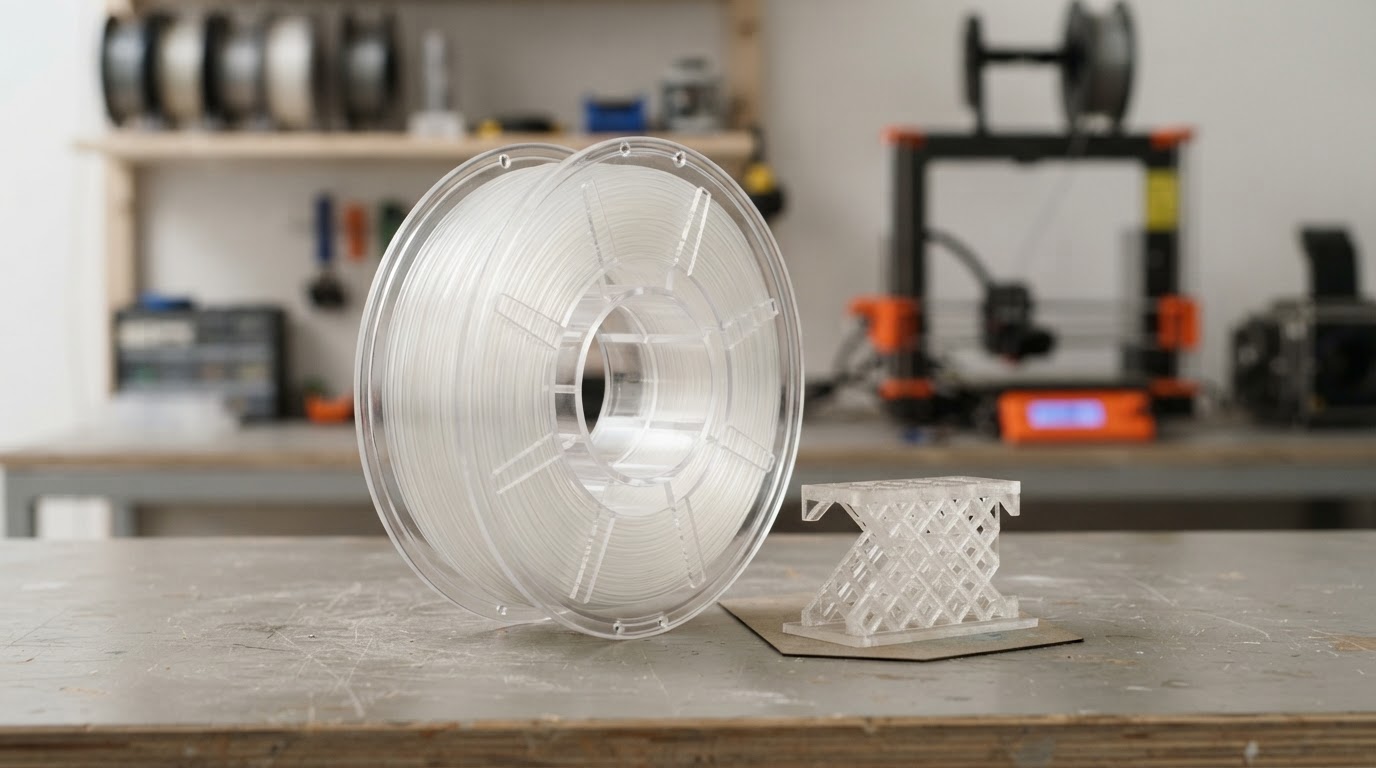
A glycol-modified copolyester used widely as FDM filament and as a clear sheet plastic. PETG is tougher and more heat-resistant than PLA, but it is a distinct material from PET and from acrylic — do not assume it behaves like another clear plastic under a laser. As a filament it is a popular FDM feedstock; as a sheet it can be laser-cut with care and ventilation.
- Laser
- DiodeLimited — Possible but with significant constraints; often not the best choice.CO2Conditional — Works, but depends heavily on machine, settings, or material specifics.FiberNot applicable — Not a meaningful combination for this material and technology.
- CNC
- CNCLimited — Possible but with significant constraints; often not the best choice.
- 3D Printing
- FDMExcellent — A strong, well-suited match for this material.ResinNot applicable — Not a meaningful combination for this material and technology.
 3D Printing Materials
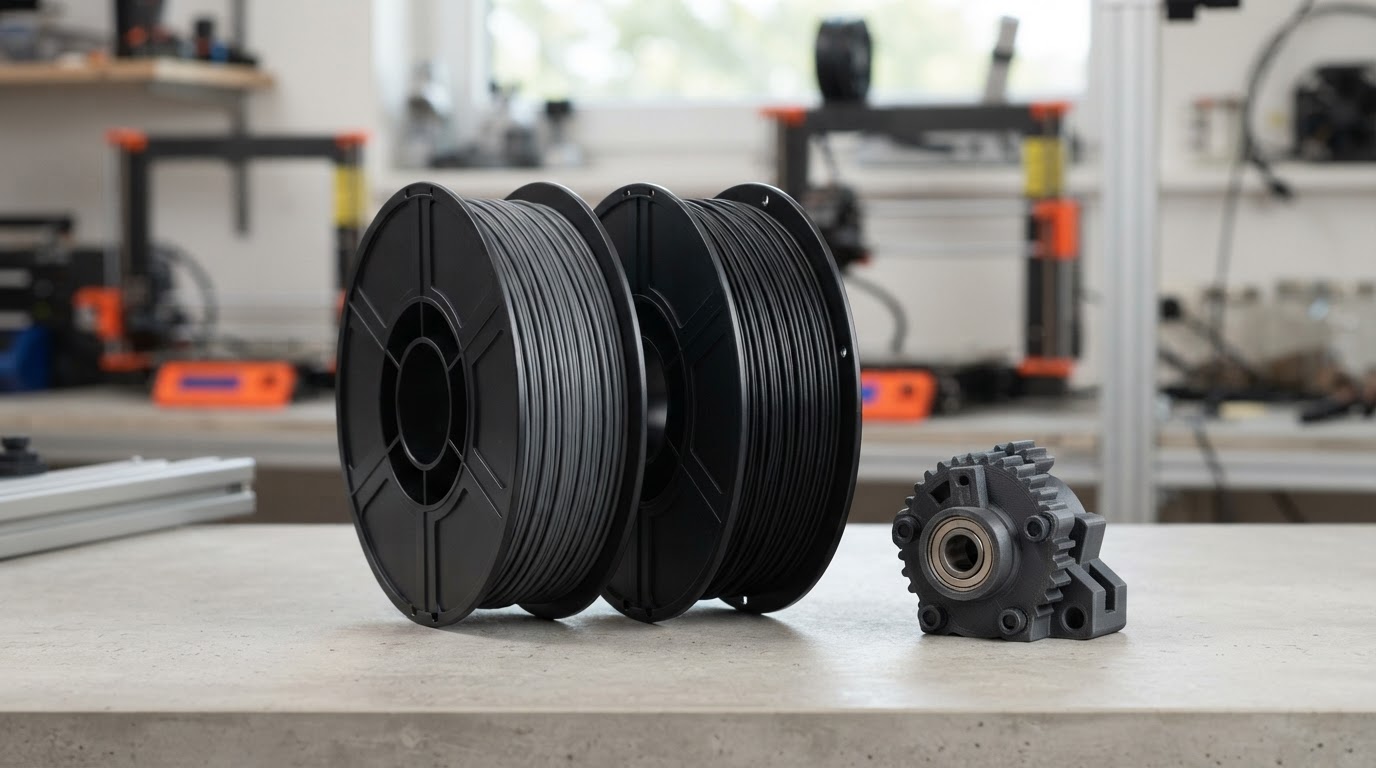
Two related engineering thermoplastics used as FDM filament for tougher, heat-resistant parts. ABS is the classic choice; ASA is a newer UV- and weather-resistant variant. They print similarly but are not identical — ASA emits substantially less styrene than ABS — and both require ventilation because ABS printing releases styrene, classified as a probable human carcinogen. They are not laser-friendly and are not resin-printing feedstock.
- Laser
- DiodeNot recommended — Technically possible in some cases but generally a poor or unsafe choice.CO2Not recommended — Technically possible in some cases but generally a poor or unsafe choice.FiberNot applicable — Not a meaningful combination for this material and technology.
- CNC
- CNCLimited — Possible but with significant constraints; often not the best choice.
- 3D Printing
- FDMExcellent — A strong, well-suited match for this material.ResinNot applicable — Not a meaningful combination for this material and technology.