Educational
CNCWhat Can a CNC Router Cut?
A practical overview of materials and the limits of desktop machines.
In research — coming soon
All guides
Every Digital Workshop Guide article in one place. Filter by technology or content type. Article cards marked “coming soon” are placeholder structure — researched content is added deliberately, not in bulk.
Not sure which technology to start with? Try the interactive Which Machine Do I Need? selector.
Wondering if a material works with a given machine? Browse the Material Compatibility Database.
38 guides
 Buying Guide
The best laser engraver for a small business depends on what you sell. Compare diode, CO2, and fiber machines by material, work area, software, and price.
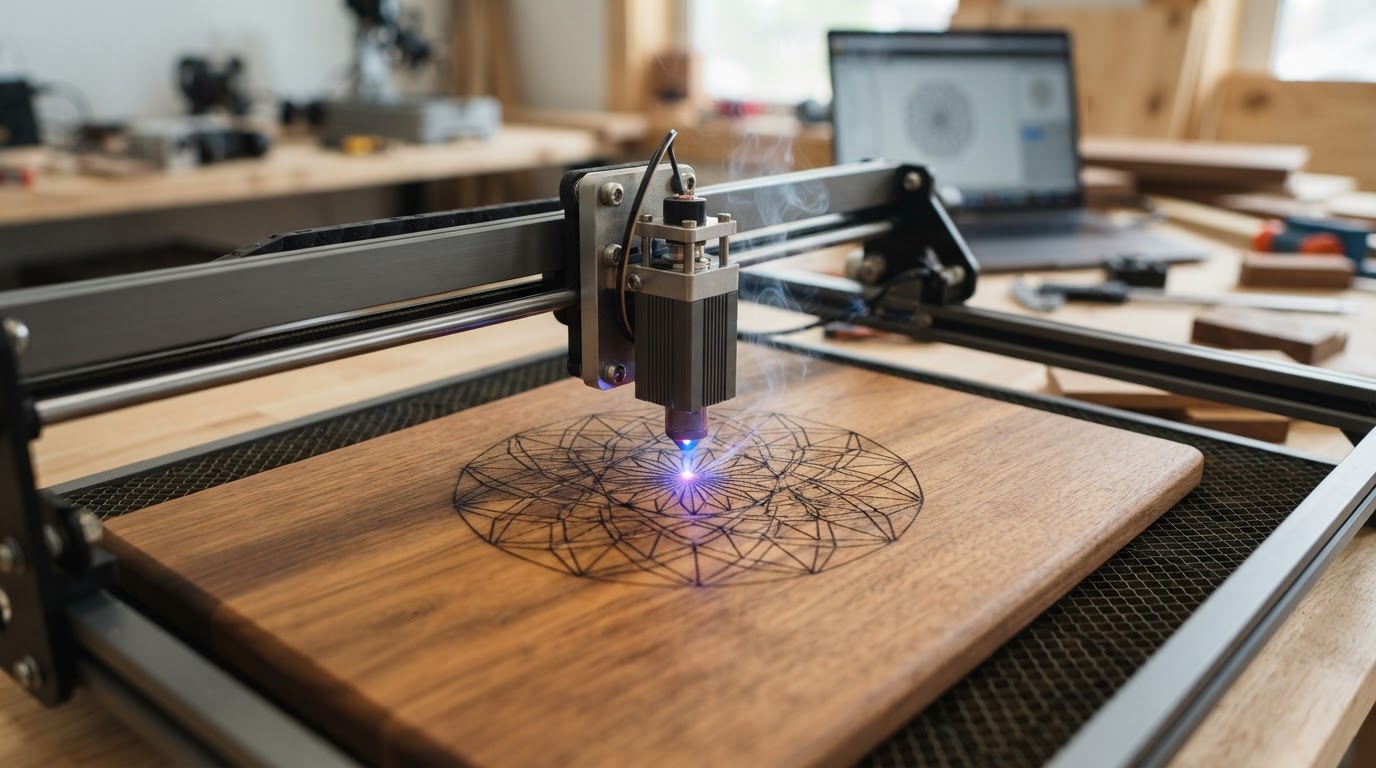 Buying Guide
Compare laser engravers for wood by laser type, power, work area, cutting needs, and price. Learn when diode or CO2 makes the most sense.
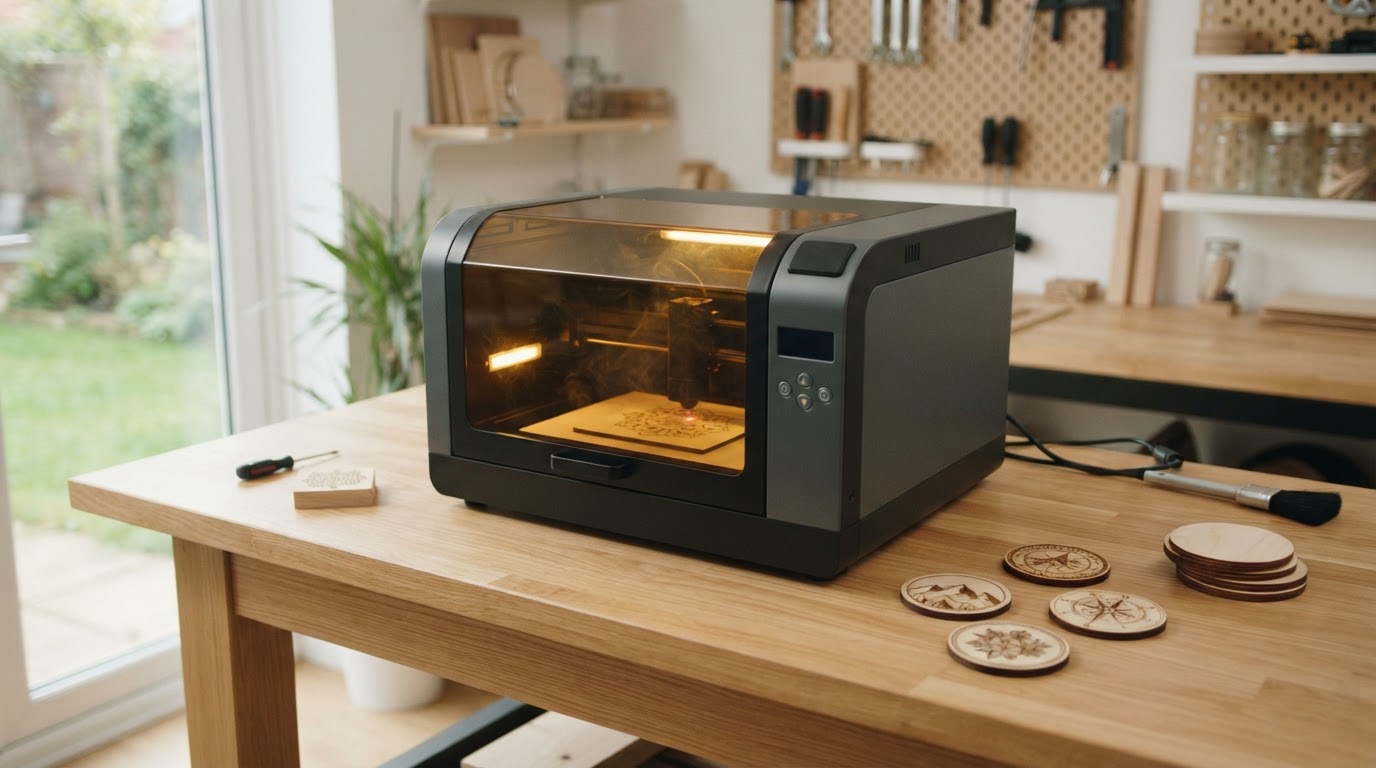 Buying Guide
Your first laser should be safe to learn on and not something you outgrow in a month. Compare beginner machines by enclosure, software, work area, and total startup cost.
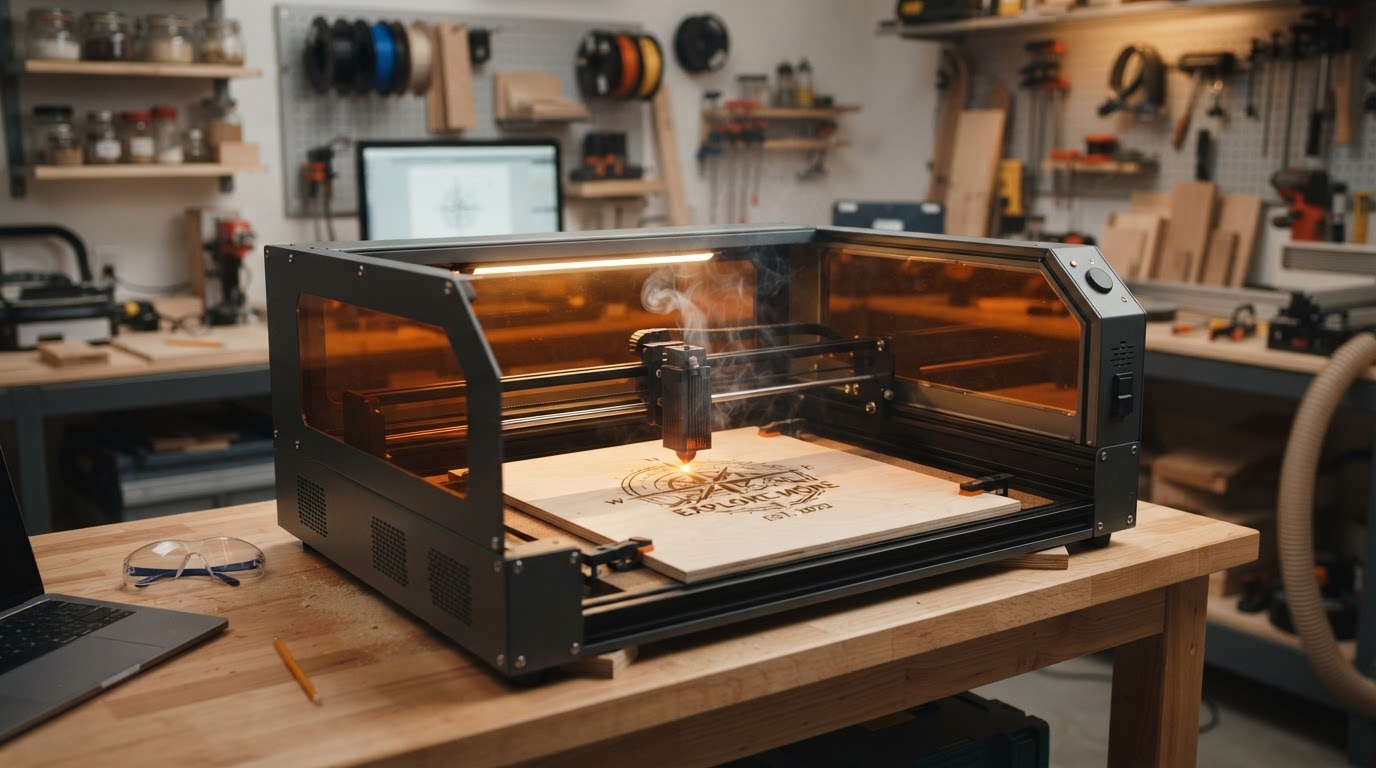 Comparison
The practical difference between diode, CO2, and fiber lasers comes down to wavelength — and wavelength decides which materials each technology can actually process.
 Buying Guide
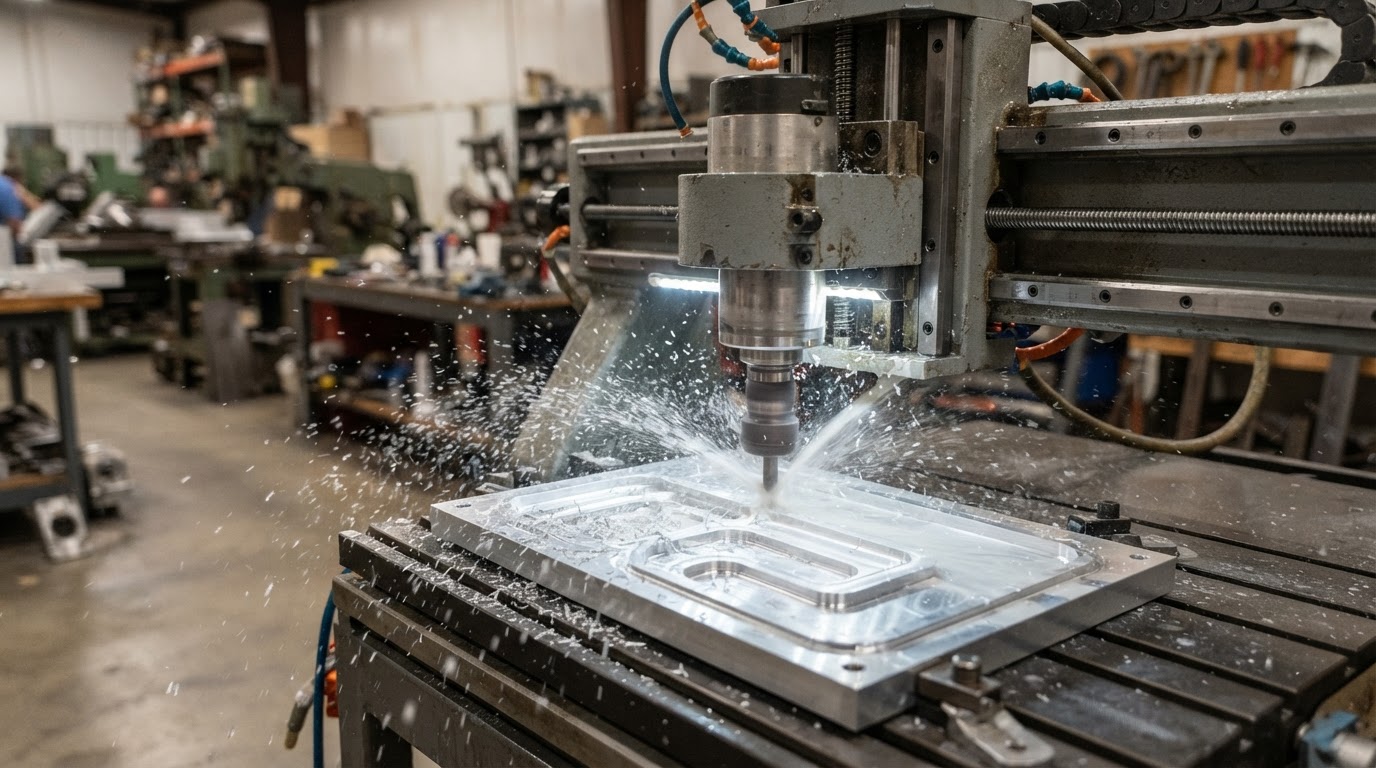
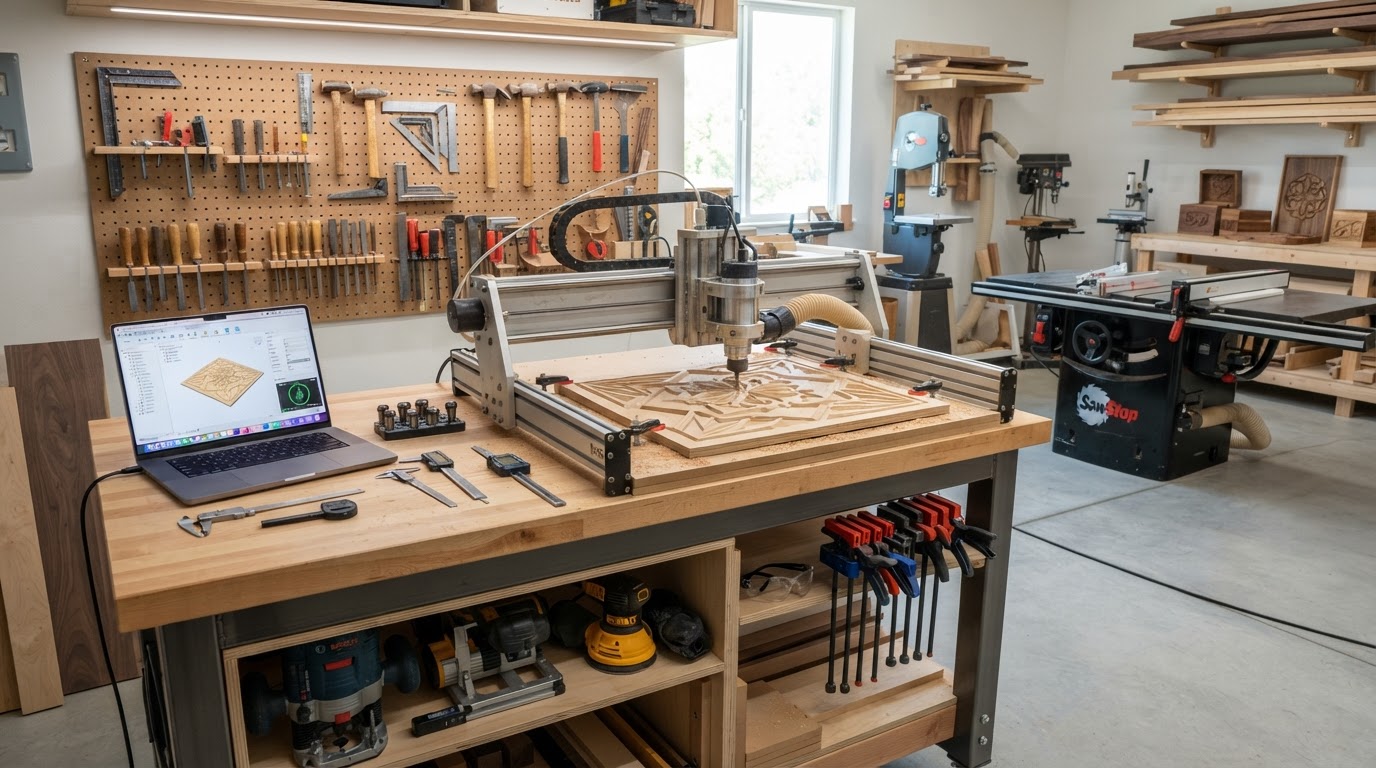
Compare desktop and small-shop CNC routers with documented aluminum capability by frame rigidity, spindle options, work area, and price.
 Buying Guide
Compare top CNC routers for woodworking, makers, small shops, and aluminum by bed size, motion system, spindle power, and budget.
 Educational
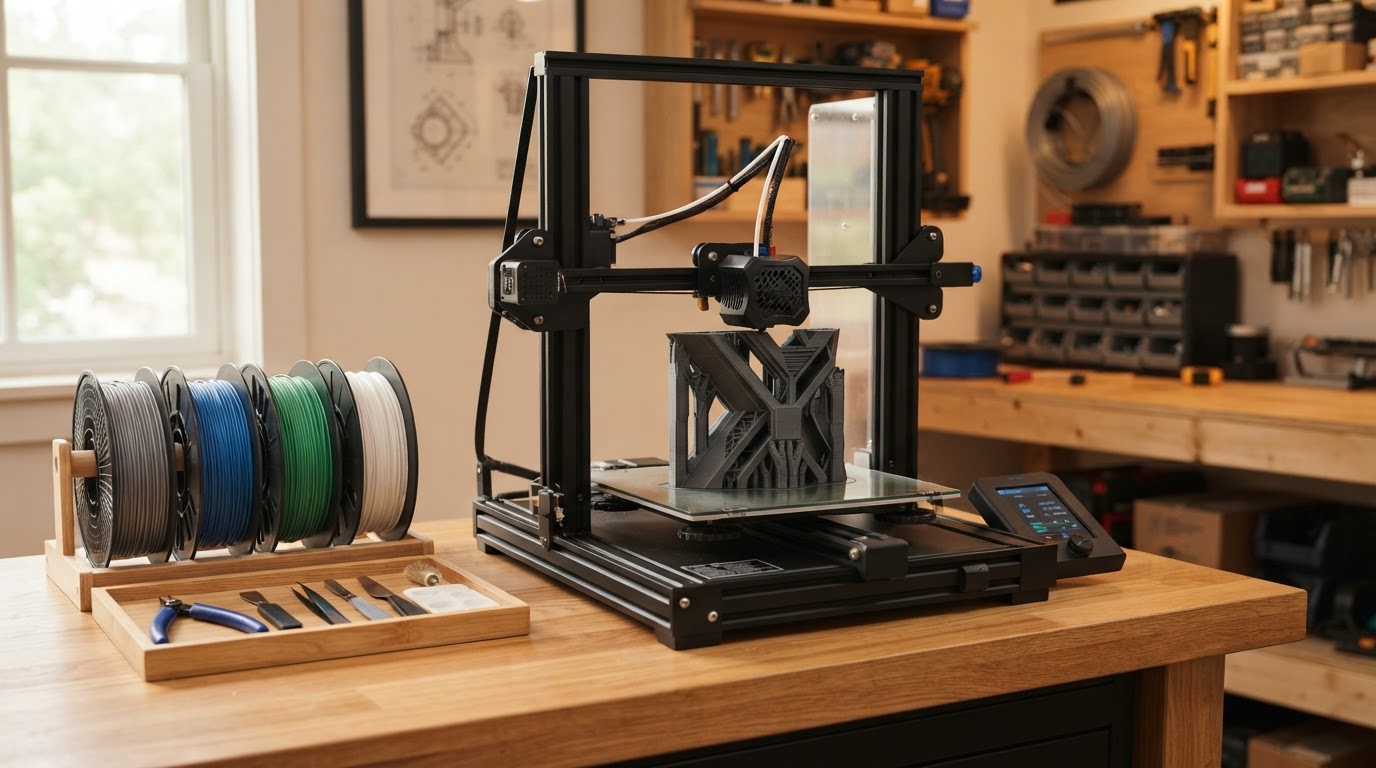
A first-time buyer's guide to 3D printing: how it works, FDM vs resin, the materials and specs that actually matter, software, costs, safety, and how to choose your first printer.
 Comparison
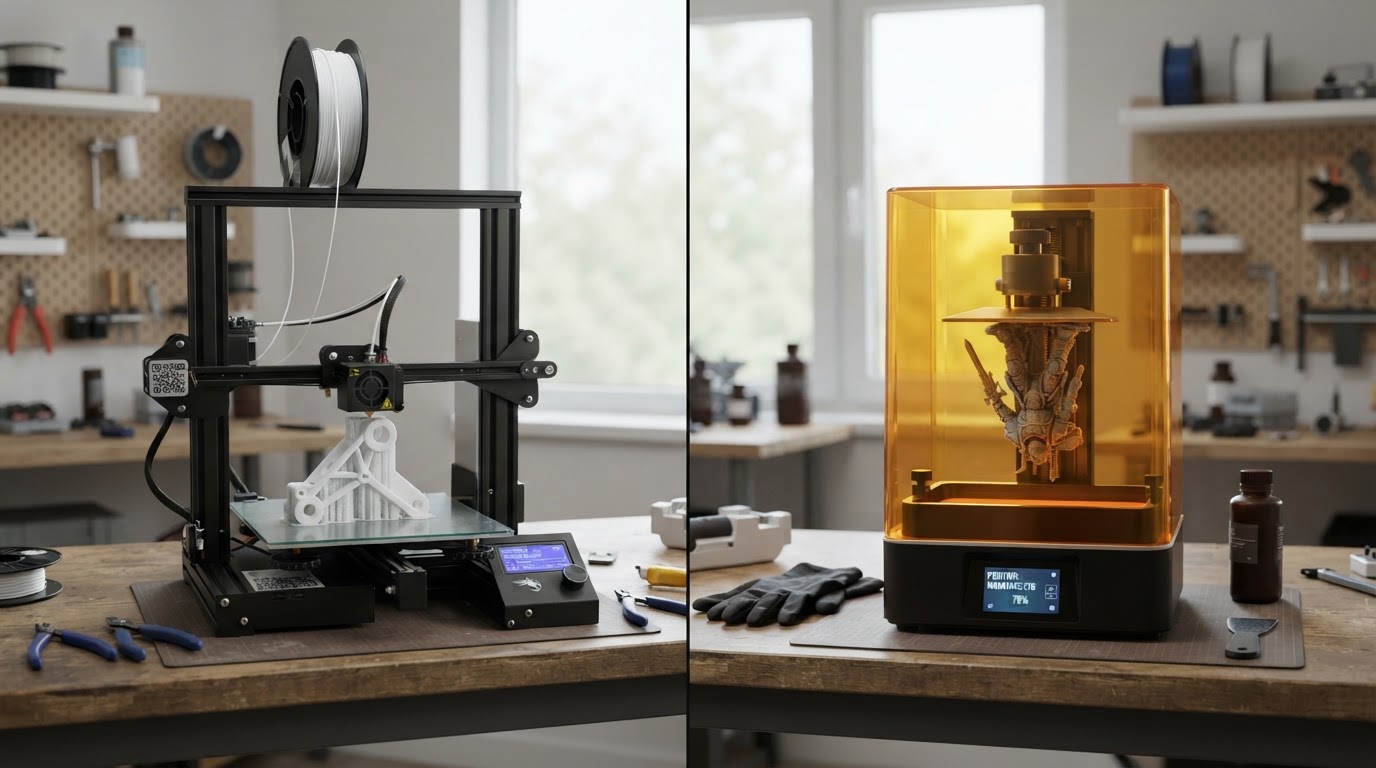
Neither FDM nor resin is universally better. This deep comparison covers how each works, detail and functional parts, miniatures, materials, post-processing, workspace, safety, cost, speed, and which fits your projects.
 Educational
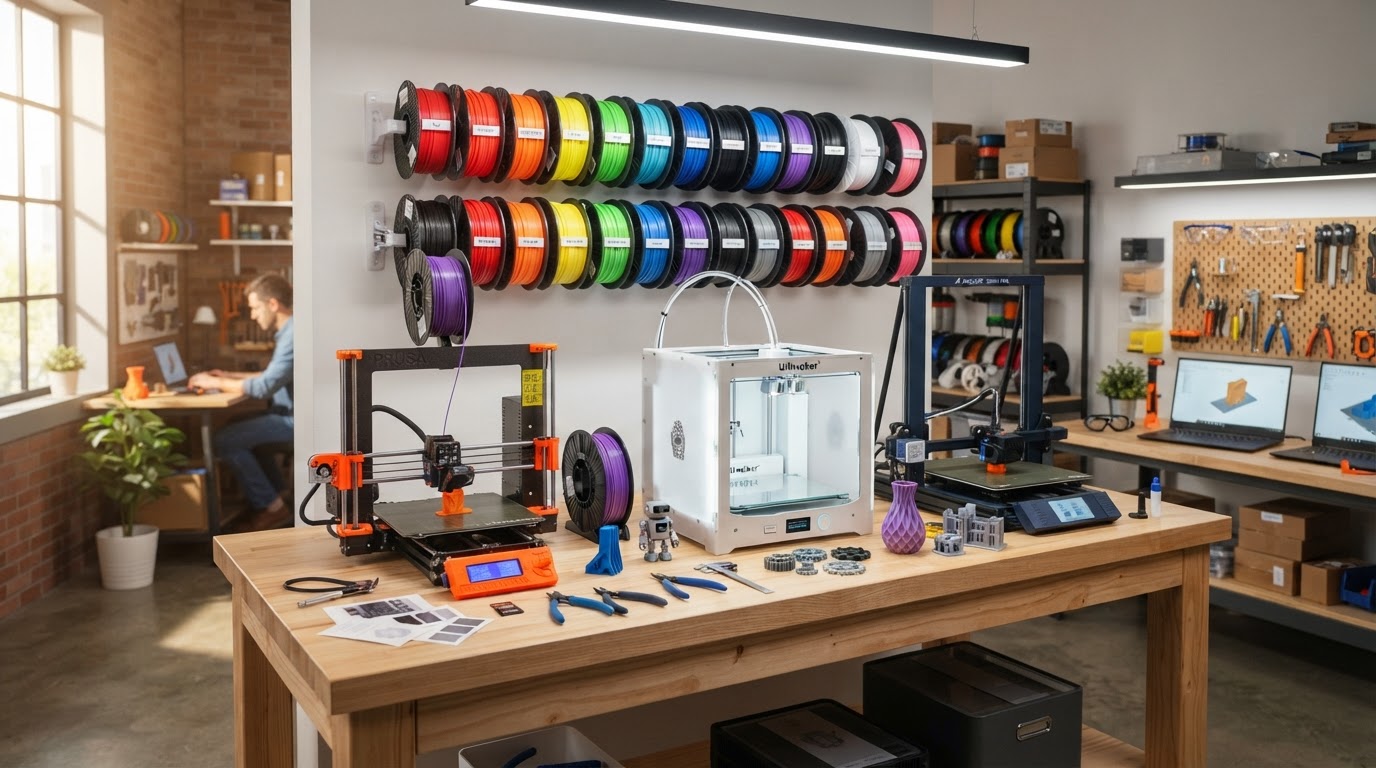
See what 3D printers cost in 2026, what you get at different price levels, and what to budget for filament, resin, accessories, maintenance, and more.
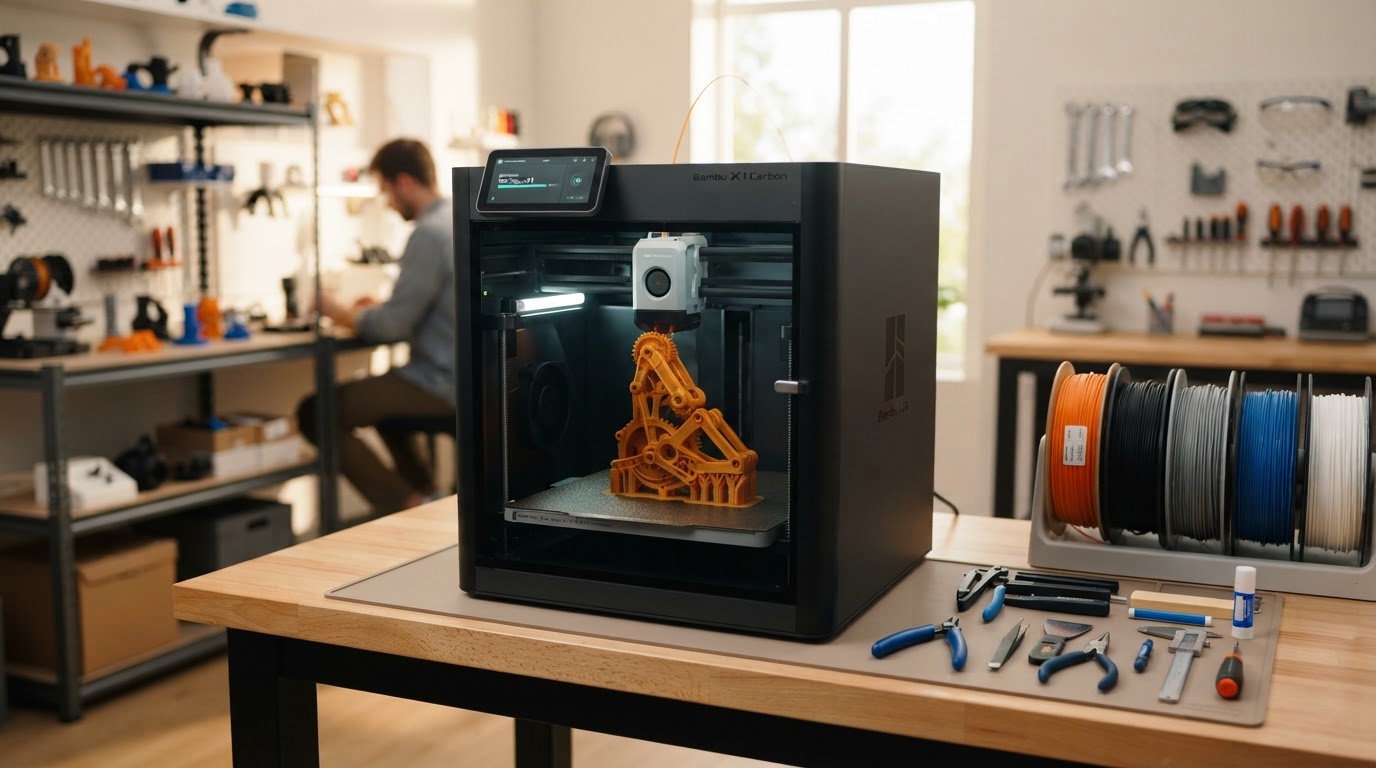 Buying Guide
There is no single best 3D printer for everyone. Compare top current 3D printers by workflow, build volume, enclosure, multi-color capability, and price class.
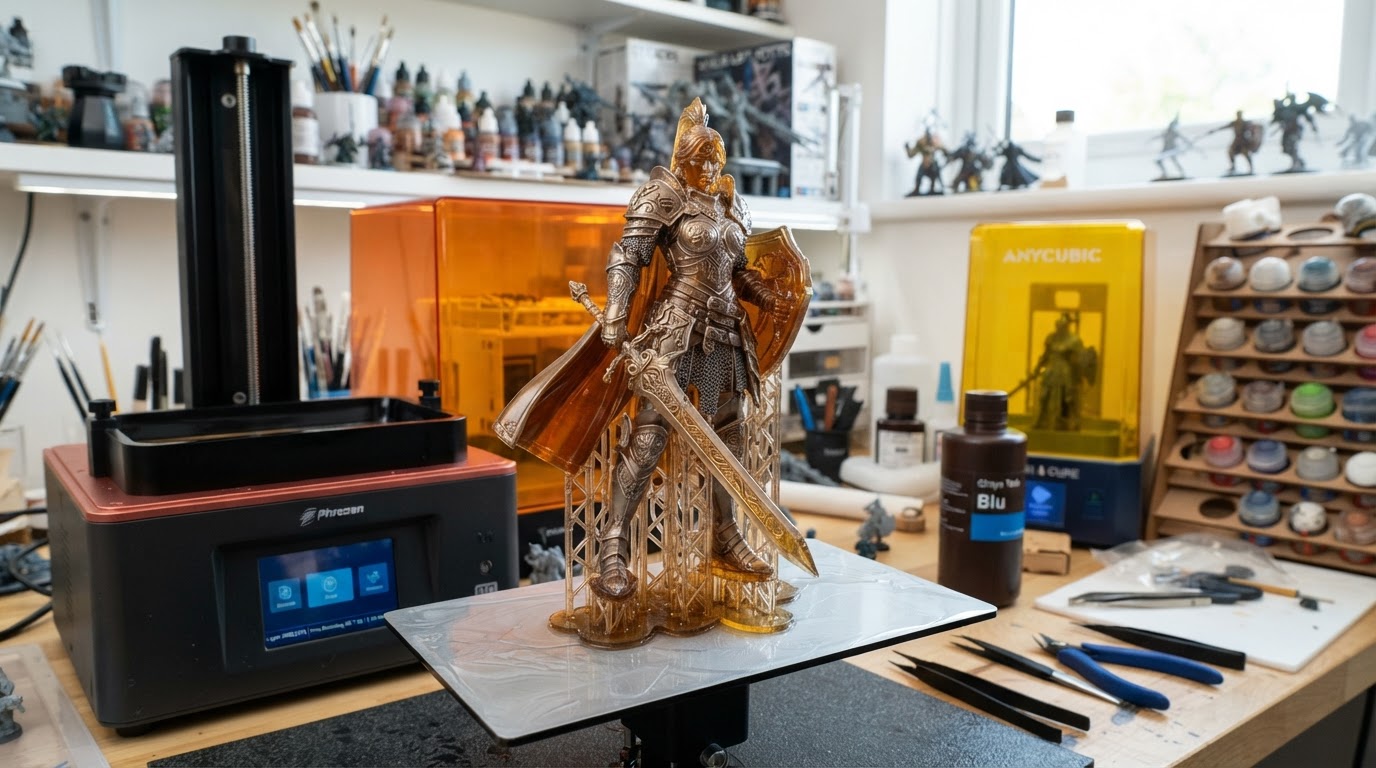 Buying Guide
Printing detailed tabletop miniatures, gaming figures, and terrain demands different priorities than general 3D printing. Compare the top resin and FDM machines for miniature work.
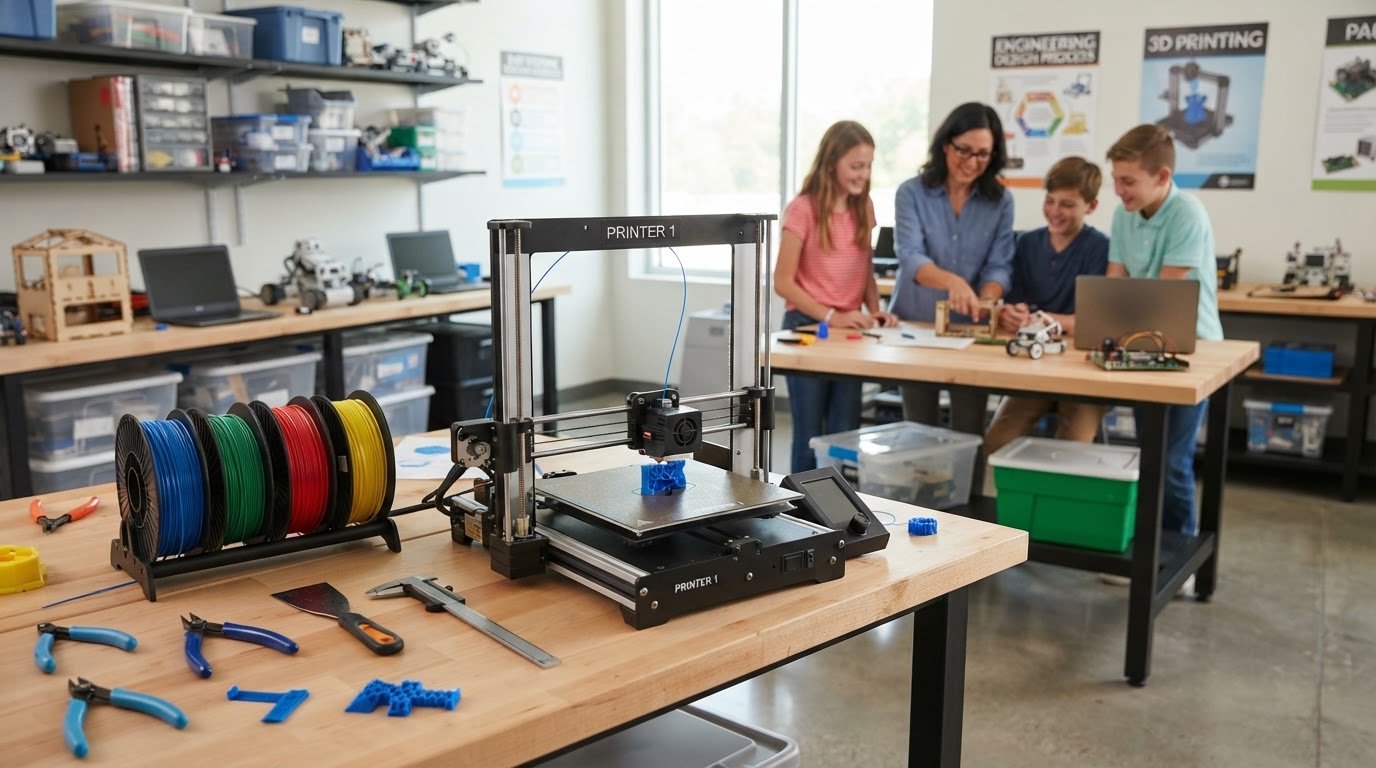 Buying Guide
Classroom 3D printers must balance reliability, safety, enclosure design, software workflow, and multi-user access. Compare top choices for K-12 classrooms, STEM programs, and libraries.
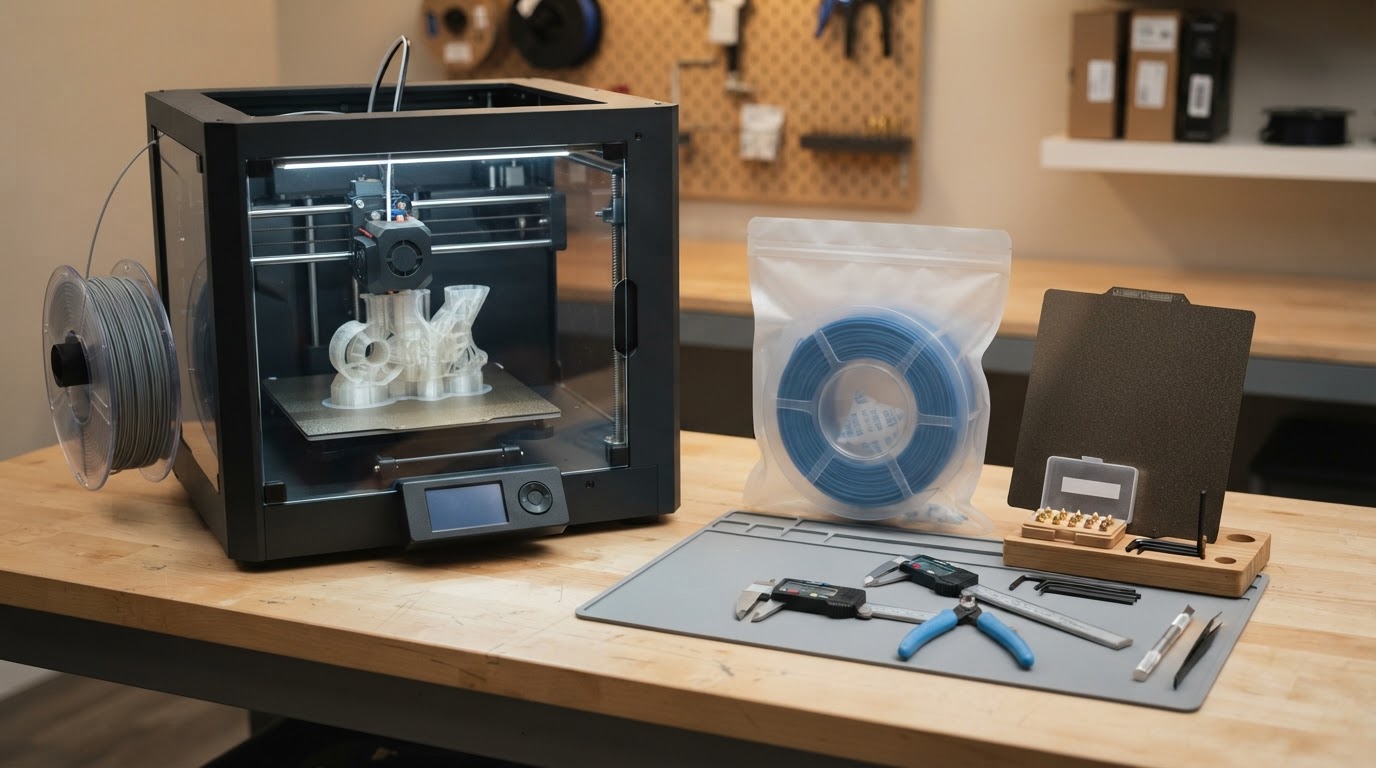 Buying Guide
Which 3D printing accessories are genuinely useful, which depend on your printer and materials, and which you can wait to buy. Separate FDM and resin workflows.
Buying GuideNot every 3D printer owner needs an expensive filament dryer. Learn which filaments absorb moisture, how active drying differs from passive storage, and which dryer features matter.
 Educational
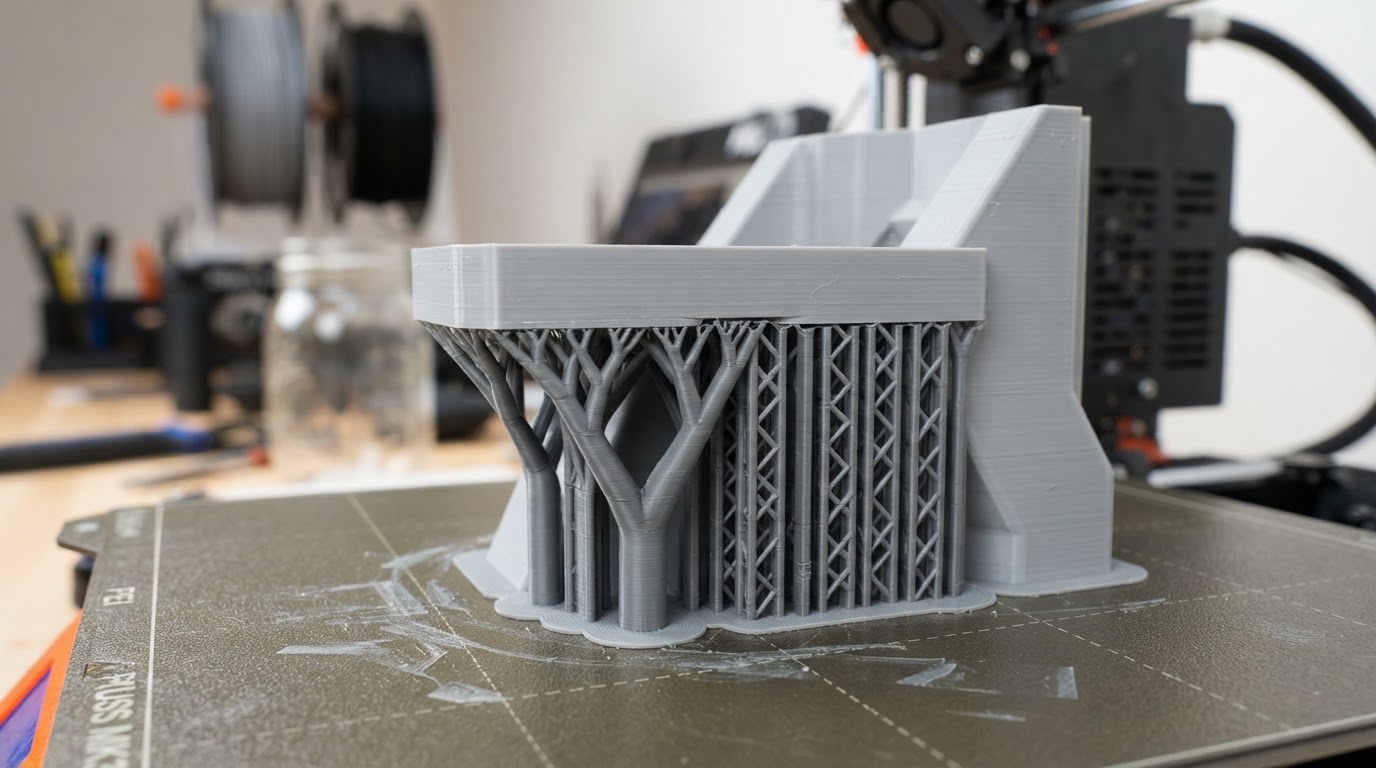
Why 3D prints won't stick to the bed, how to recognize first-layer problems, how warping differs from initial adhesion failure, and how to troubleshoot bed adhesion systematically without damaging your build plate.
Buying GuideWhich 3D printer nozzle should you buy? Compare brass, hardened steel, coated, and high-flow nozzles, common diameters from 0.2 to 1.0 mm, V6 and Nextruder compatibility, and when an upgrade is — and isn't — worth it.
 Educational
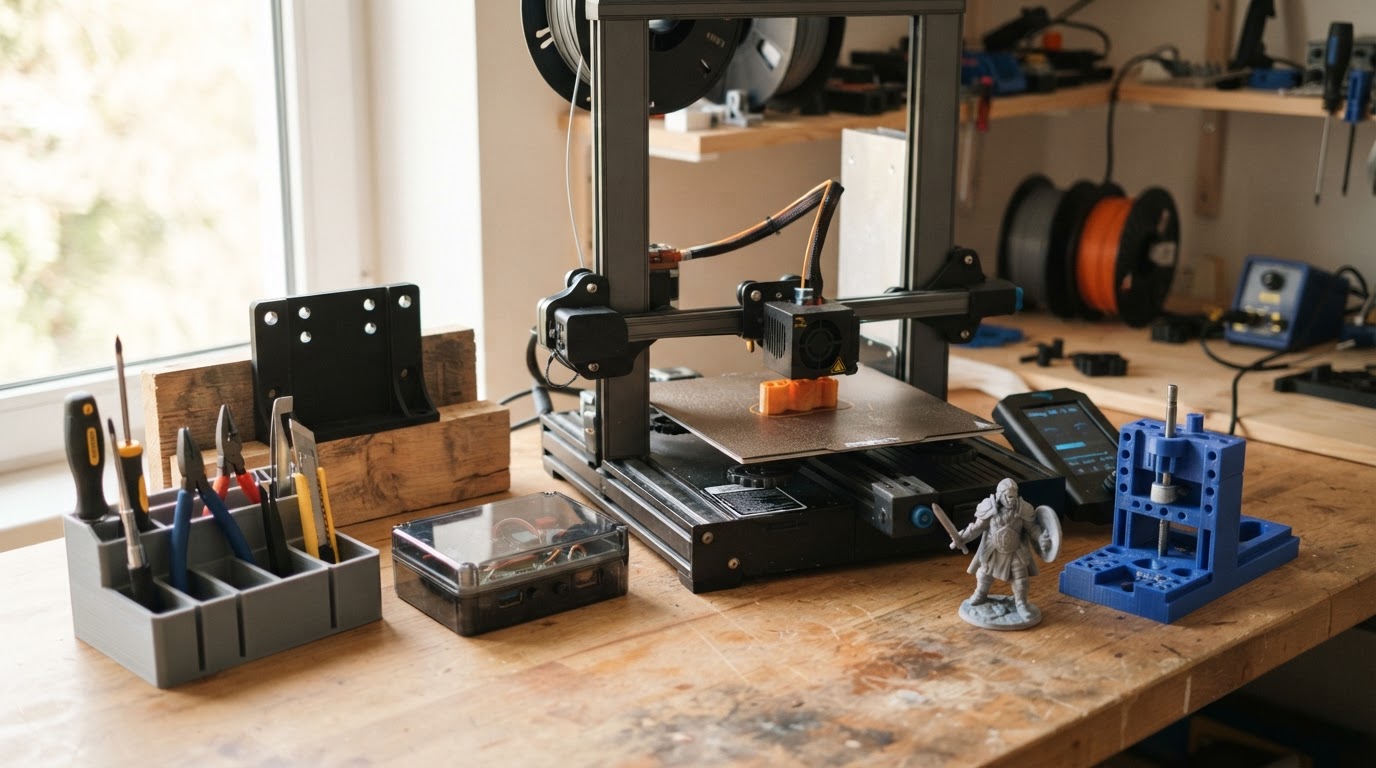
A realistic look at whether a 3D printer is worth buying: the real costs, what you can actually make, the time and learning involved, and who should — and shouldn't — buy one.
 Educational
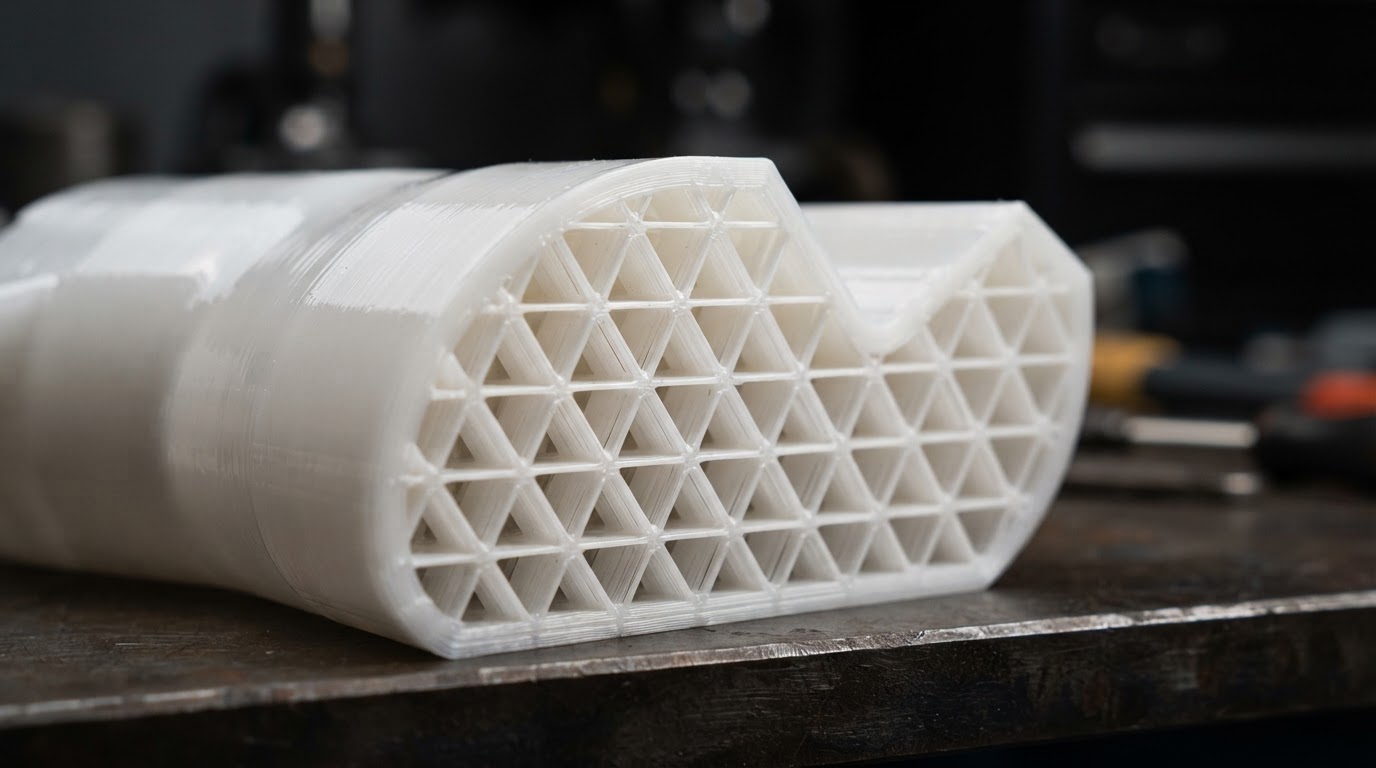
What infill actually does in an FDM print, how density and pattern affect strength, print time, and filament use, and how to choose sensible starting settings in your slicer — without defaulting to 100%.
EducationalWhen FDM prints need supports, how tree and normal supports differ, how to choose support settings in your slicer, and how to remove supports without damaging the part.
 Educational
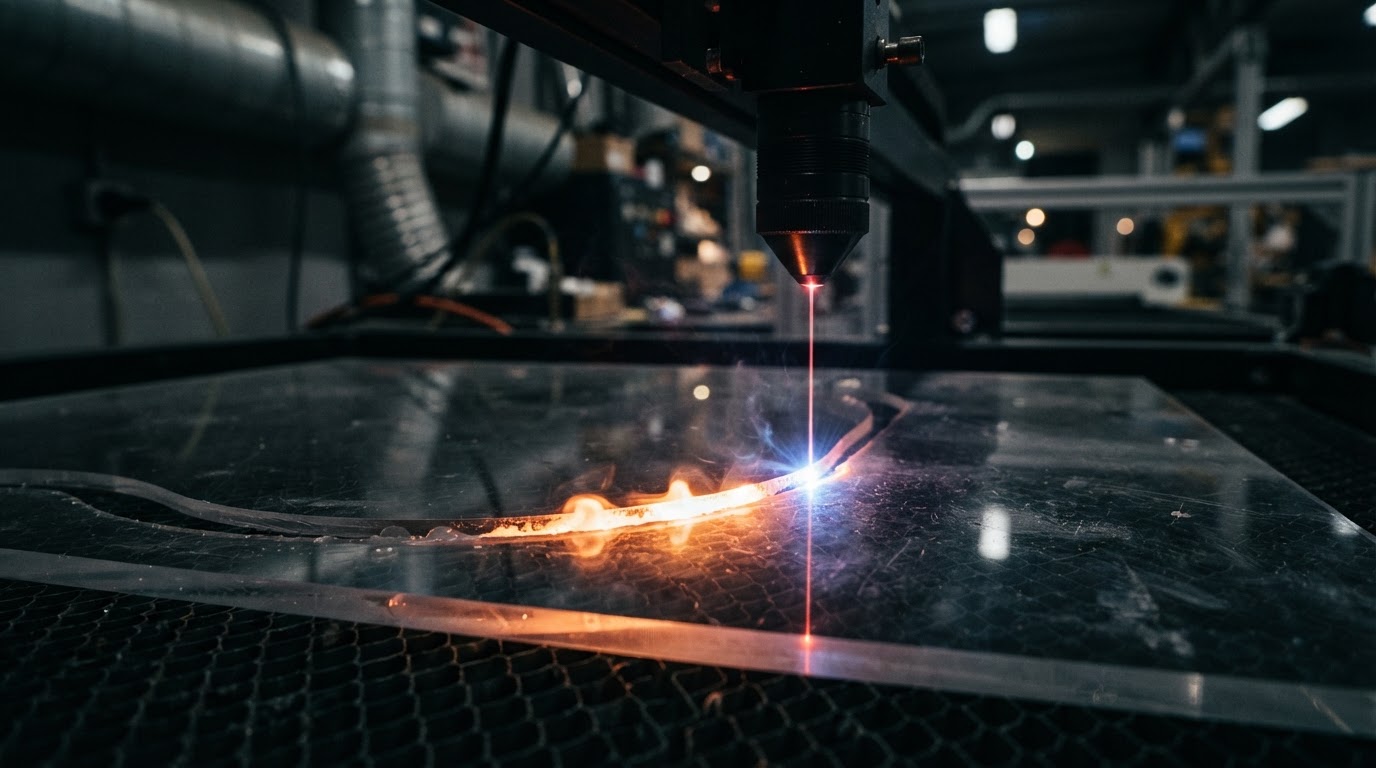
More watts does not automatically mean a better laser. Learn what 10W, 20W, and 40W mean, optical vs electrical power, and how to match laser power to your work.
 Educational
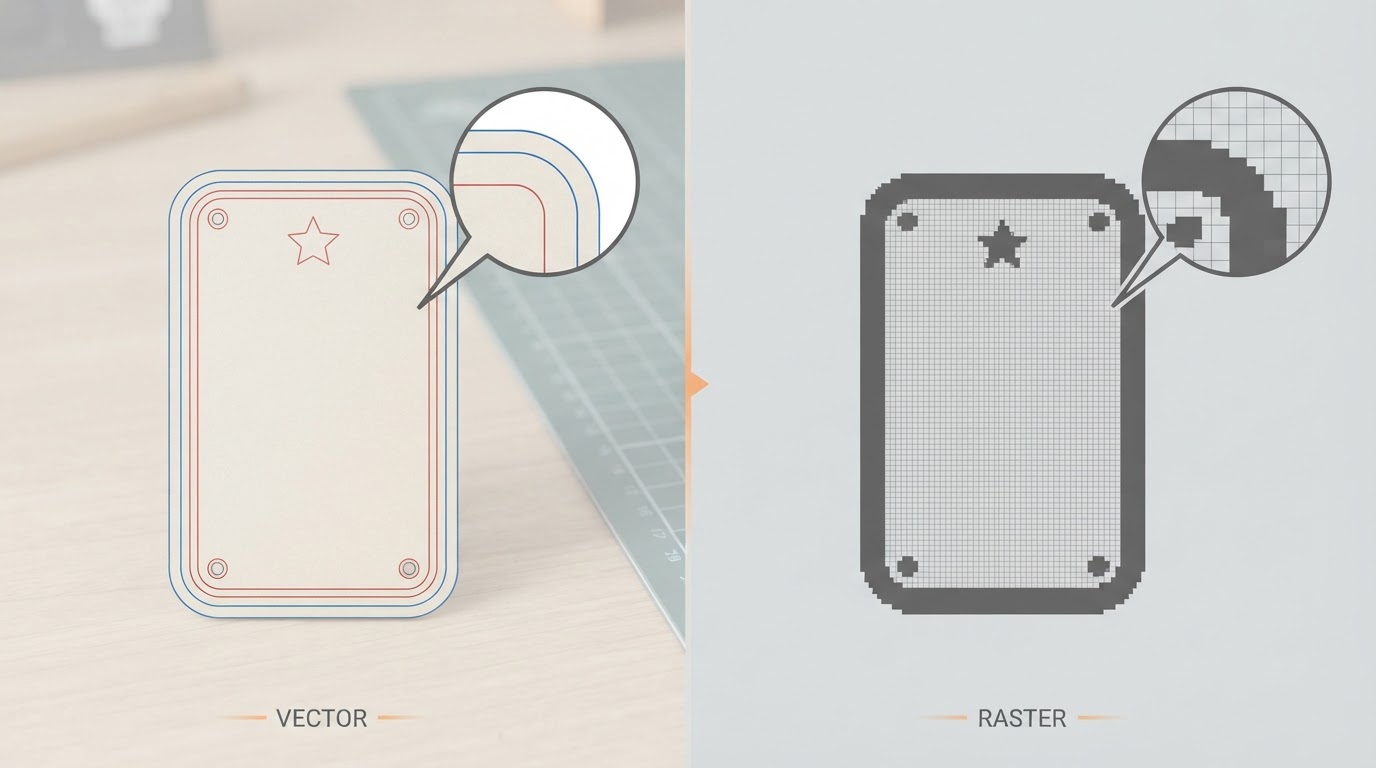
A practical guide to laser engraving and cutting file formats. Learn the difference between vector and raster artwork, when to choose SVG or DXF, how to engrave photographs, and how to avoid import errors.
 Educational
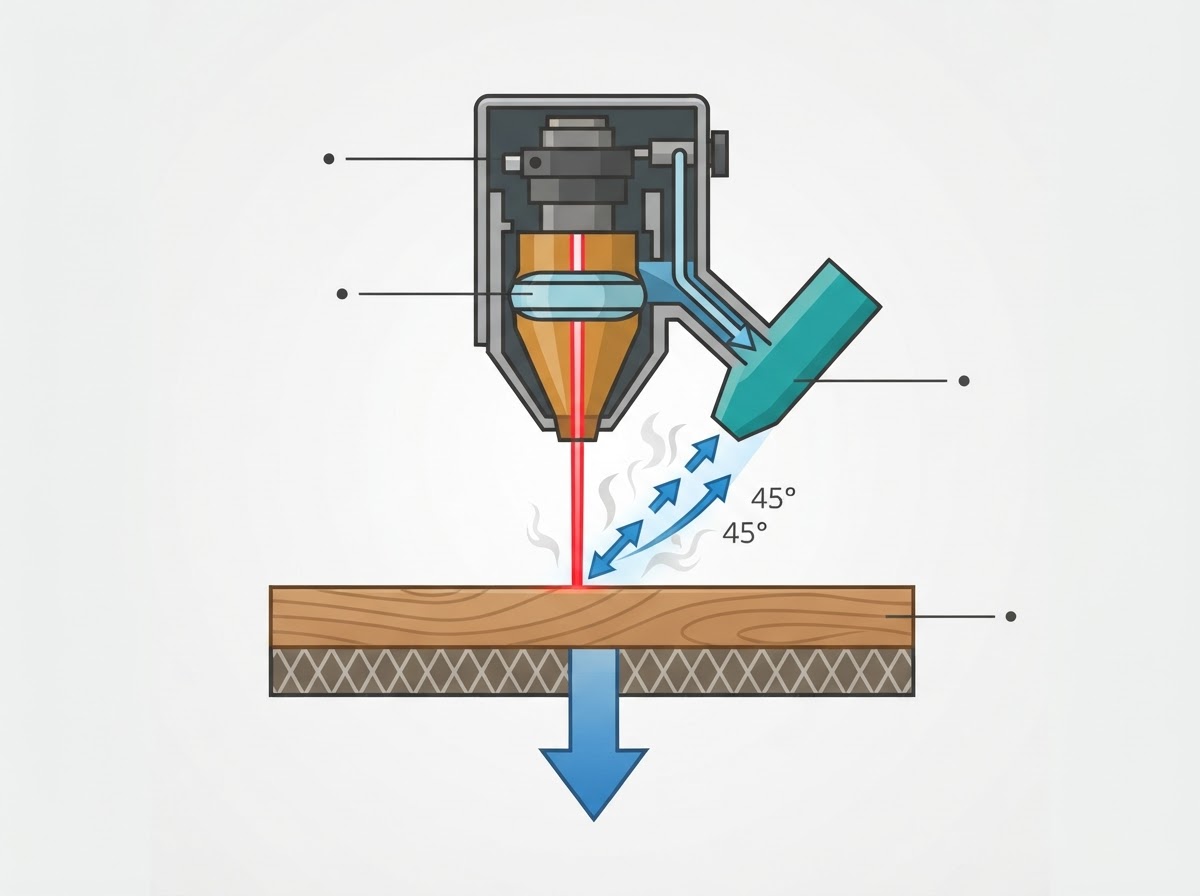
What laser air assist does, when it helps cutting, when strong airflow can affect engraving, and how it differs from ventilation. A beginner-friendly guide to evaluating an air-assist setup.
 Educational
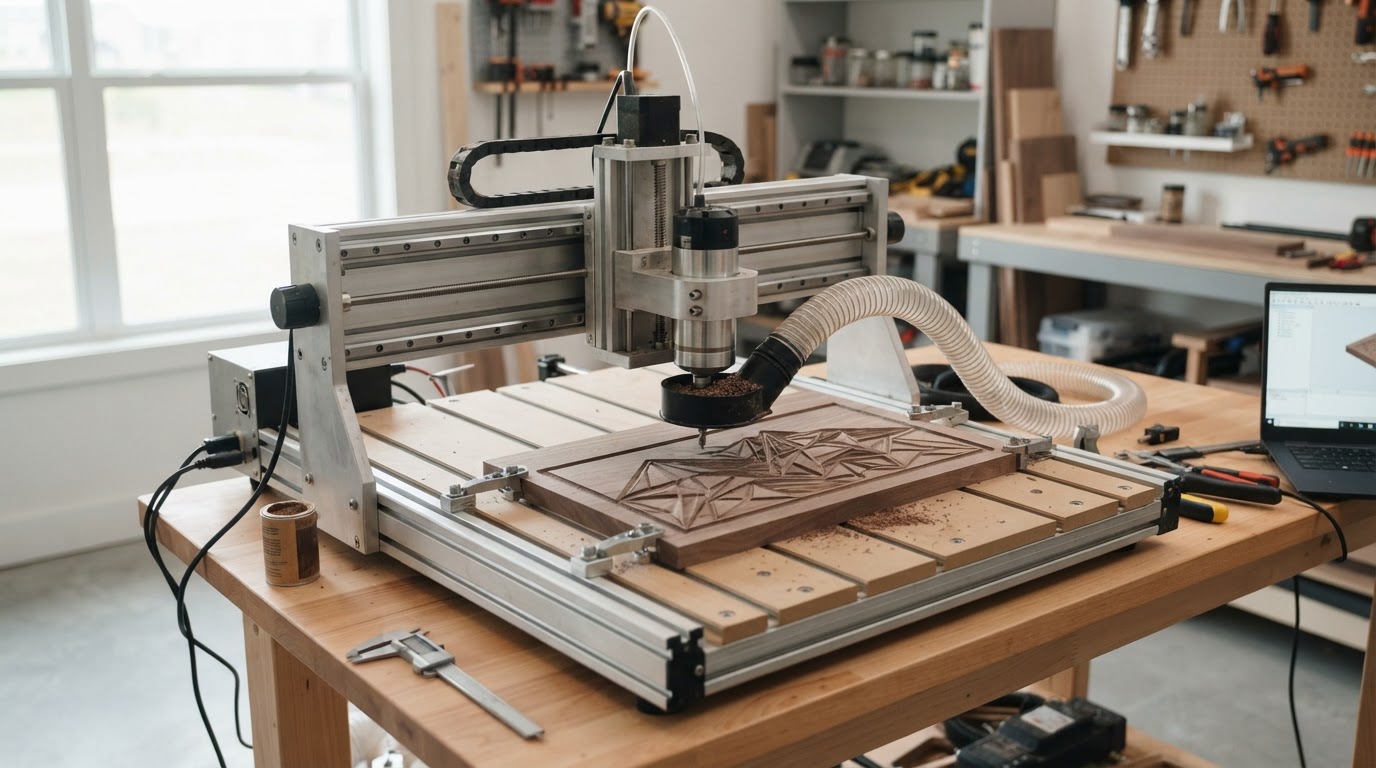
CNC router prices range from a few hundred dollars for desktop kits to many thousands for professional systems. Learn what each price level buys and what to budget for tooling, software, and accessories.
 Educational
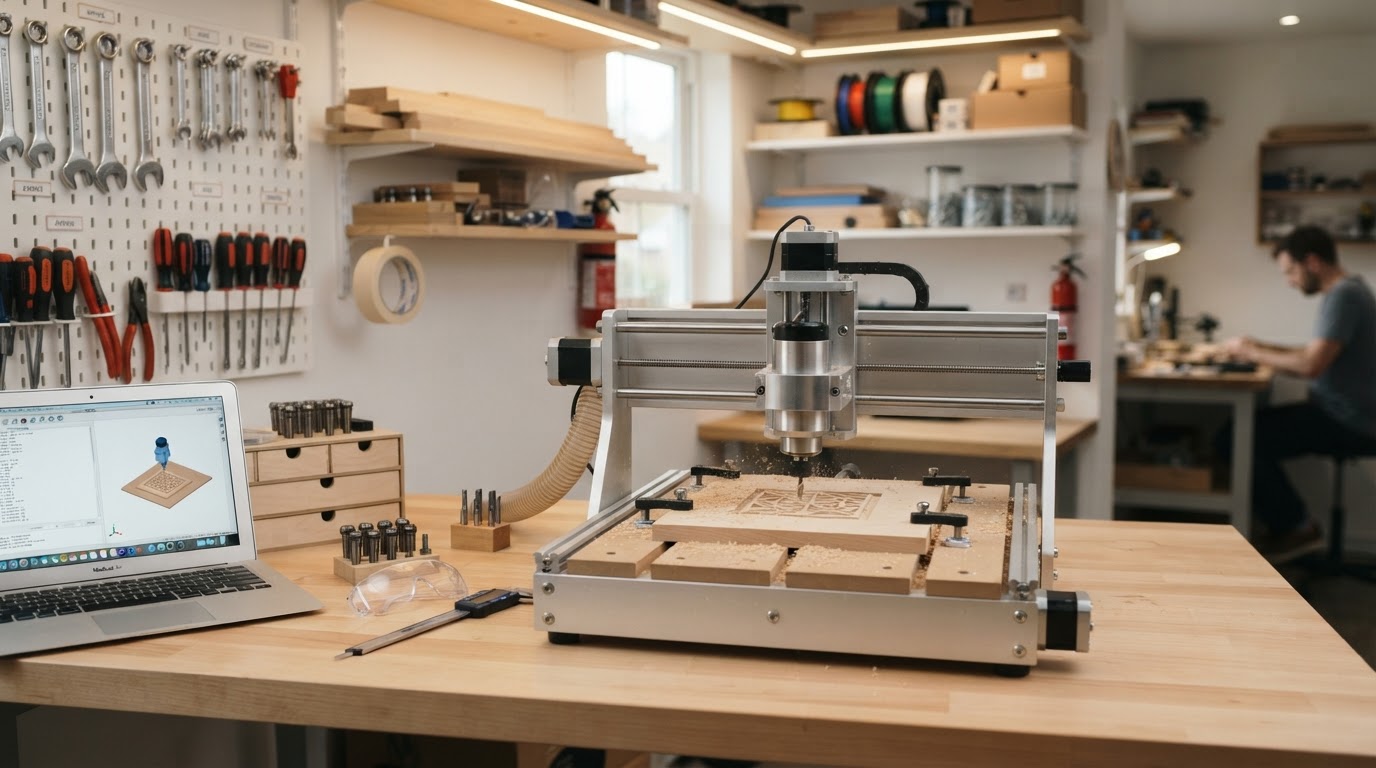
Learn how desktop CNC routers work, what they can cut, what specs matter, what they cost, and what beginners should know before buying their first CNC.
 Educational
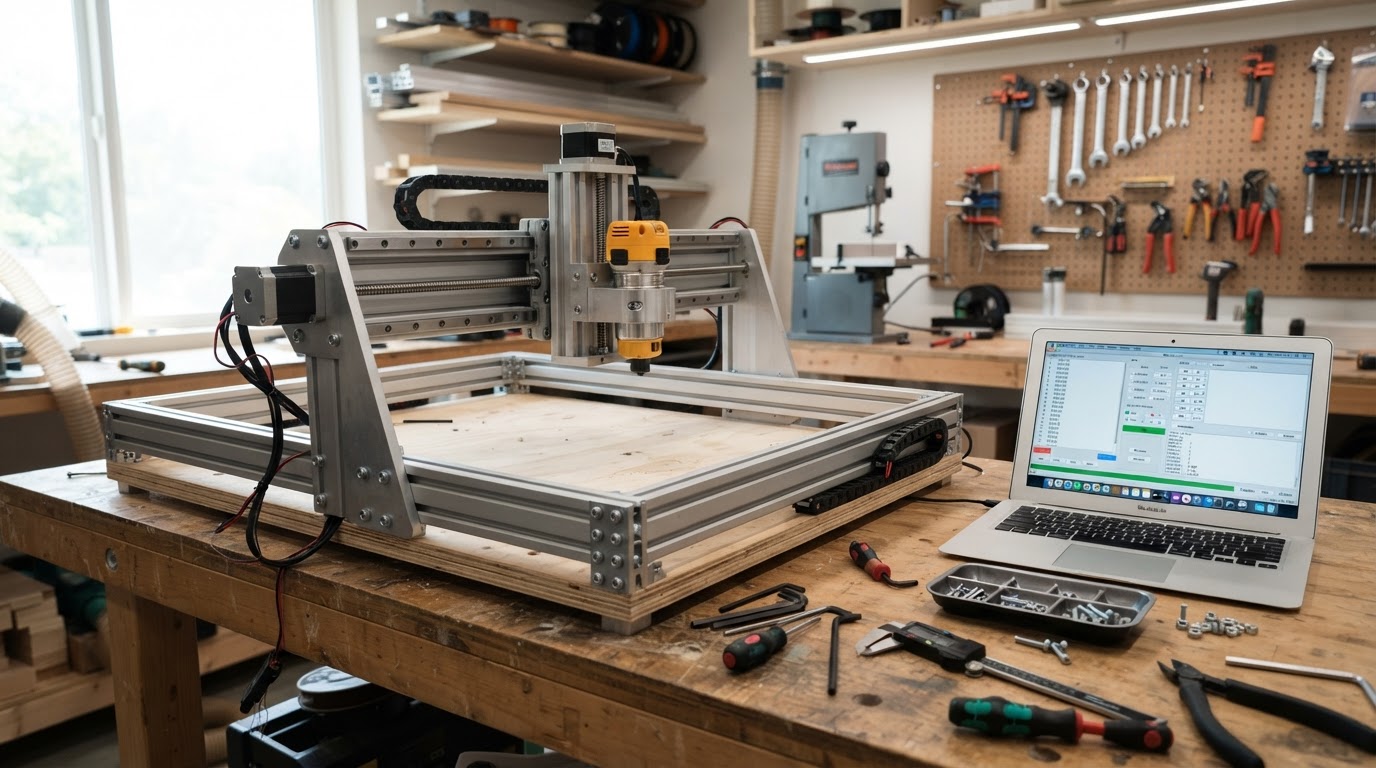
Should you assemble a CNC router kit, follow open-source plans, design your own machine, or buy a finished router? Compare the four paths by cost, time, skills, and the work each is suited to.
 Educational
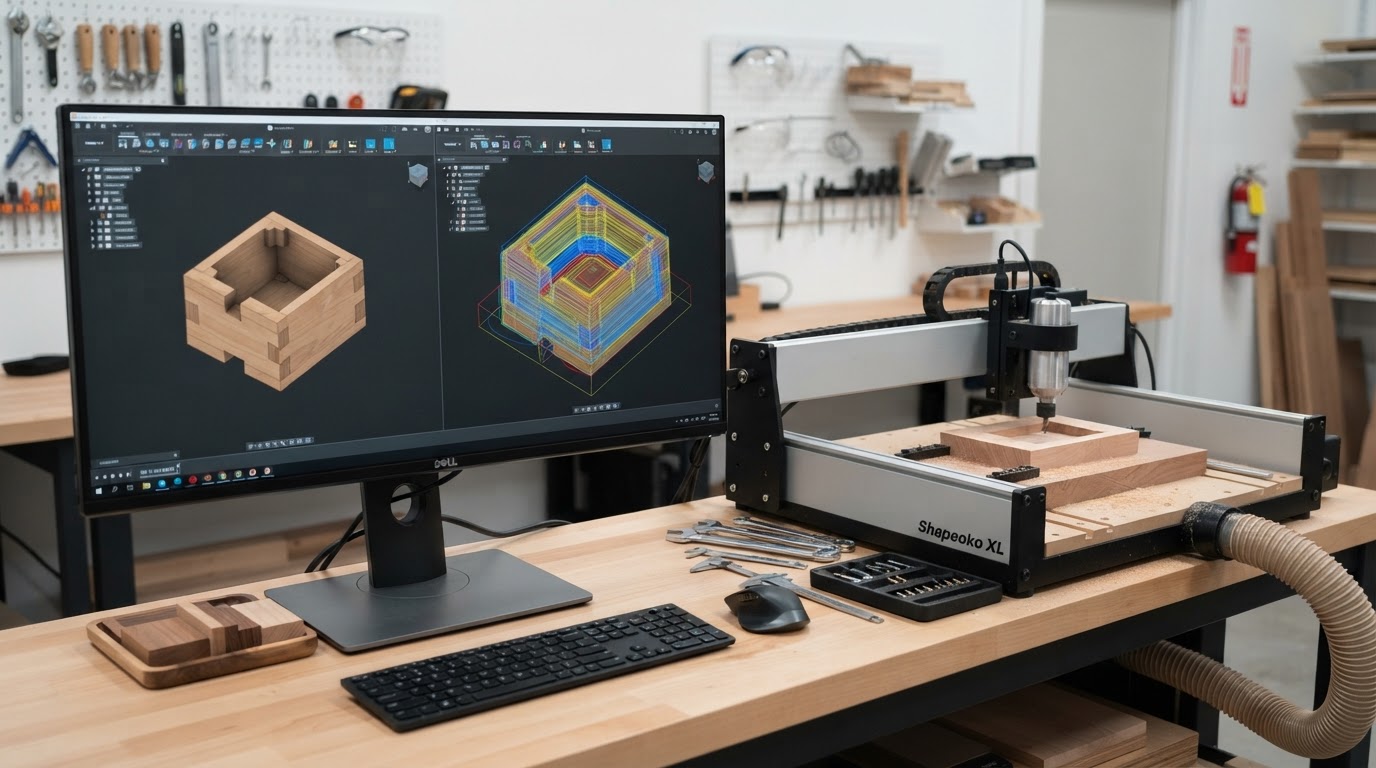
Confused about CNC router software? Learn how CAD, CAM, G-code, and machine control fit together, which programs you actually need, and how to choose software that matches your machine and projects.
EducationalBuying a used CNC router can stretch your budget to a larger, more capable machine—or leave you with obsolete electronics and worn motion parts. Learn what to inspect, what questions to ask sellers, and how to verify manufacturer support.
A practical overview of materials and the limits of desktop machines.
PLA, PETG, ABS, TPU and beyond — properties and when to use each.
The three laser technologies compared by material compatibility and cost.
EducationalConfused by CNC router bits? Compare upcut, downcut, compression, V-bits, and ball-nose tools. Learn which bits suit your materials and projects before you buy.
 Educational
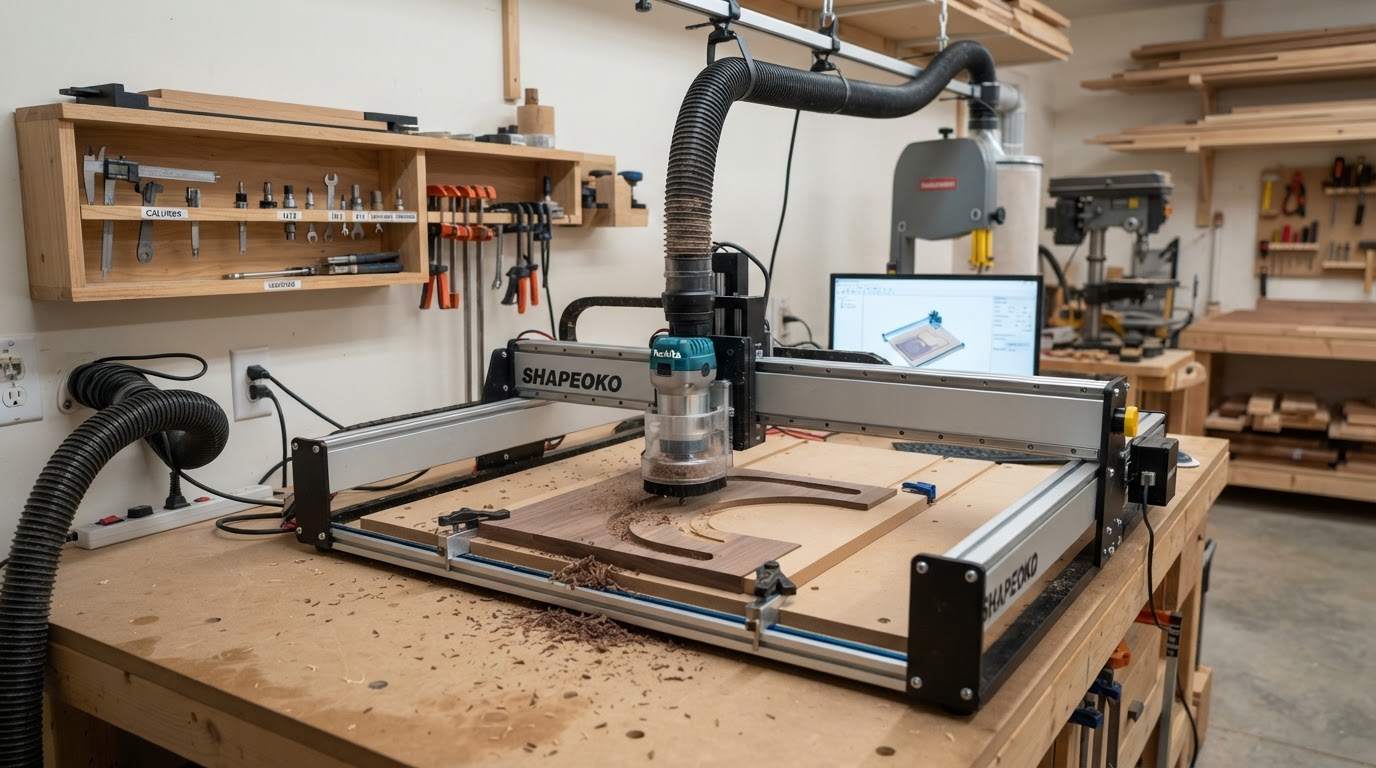
Shop vac or dust collector? Compare CNC router dust collection setups — static pressure vs airflow, dust boots, cyclone separators, and HEPA filtration for MDF, with a practical buying framework.
Additive vs. subtractive: which belongs in your workshop first?
 Comparison
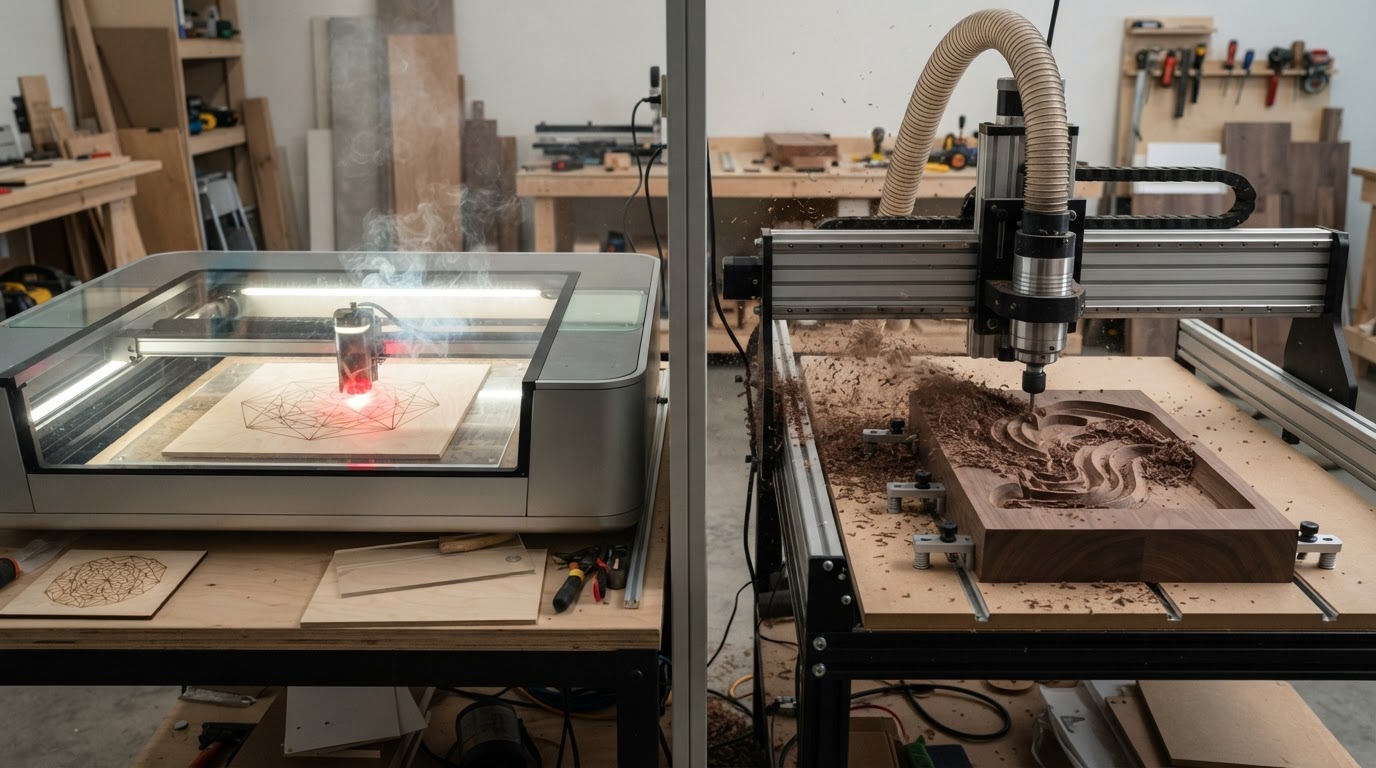
Laser cutters and CNC routers overlap on wood and signs but remove material in fundamentally different ways. Compare materials, depth, detail, workspace, cost, and which process fits the things you actually want to make.
 Comparison
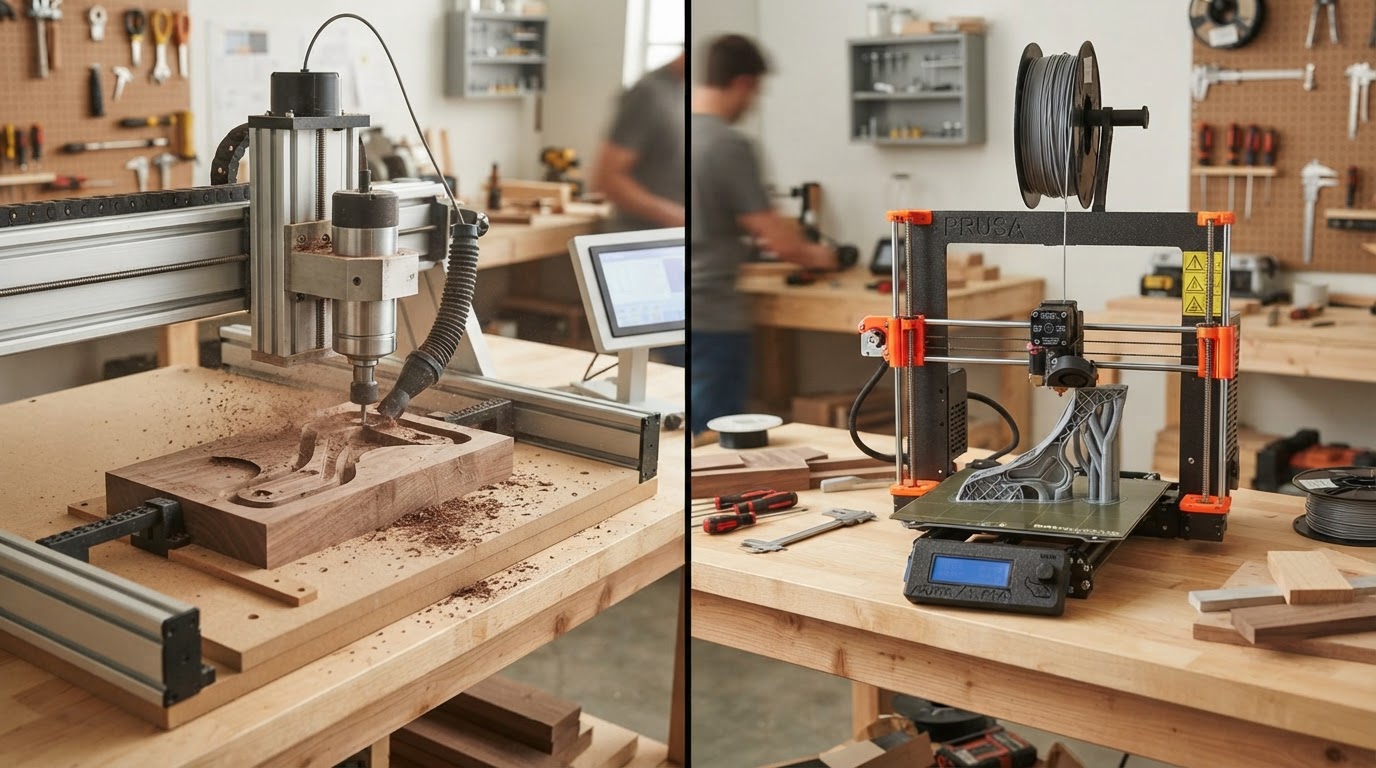
Subtractive subtracts material from solid blocks; additive builds layer by layer. Compare materials, strength, waste, speed, detail, and cost to pick the right tool for what you make.
 Comparison
Understand the structural, spindle, and capability differences between a CNC mill and a CNC router — rigidity, RPM, axis travel, and metals vs wood/plastics.
 Buying Guide
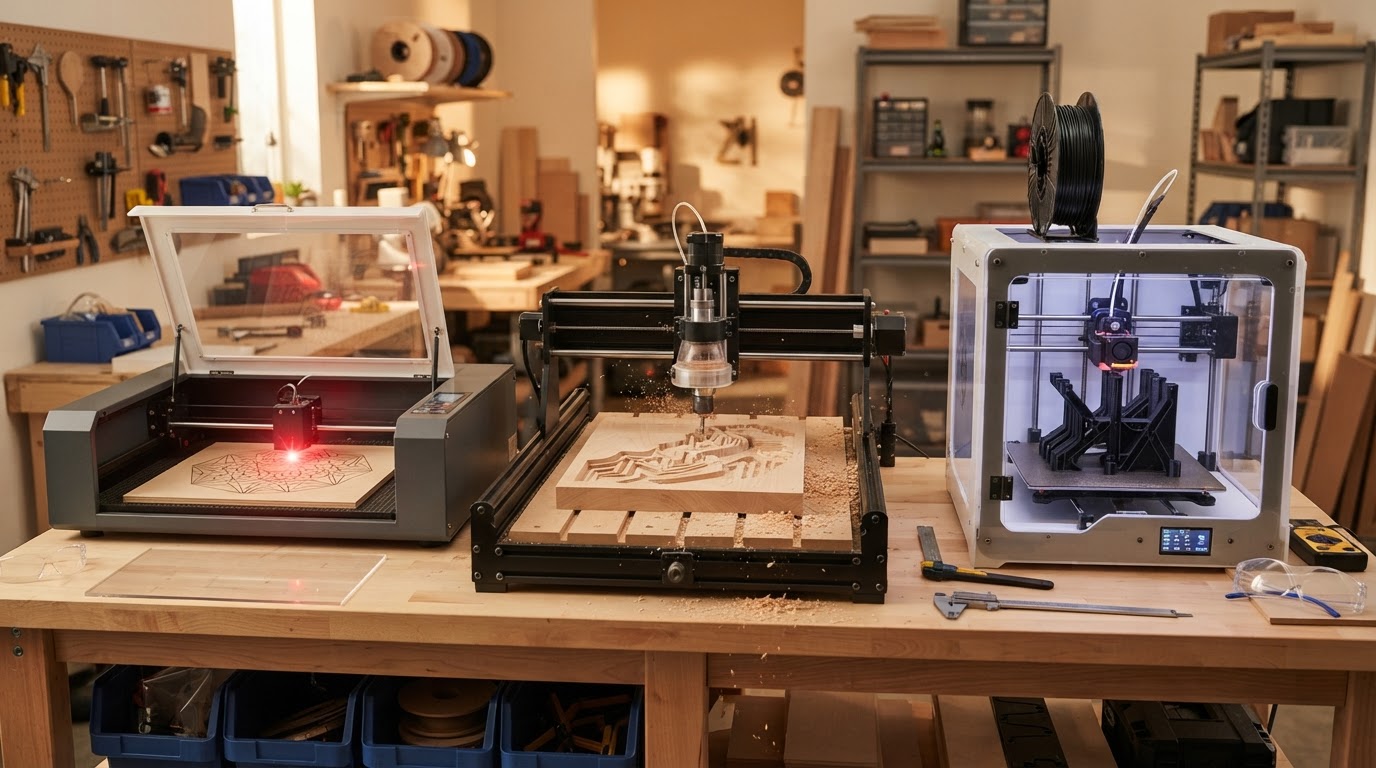
3D printer, laser engraver, or CNC router? A practical decision guide based on what you want to make, your workspace, your budget, and how much time you want to spend learning software.
Matching fabrication equipment to a business's products and throughput.