Material compatibility reference
Leather Fabrication Compatibility
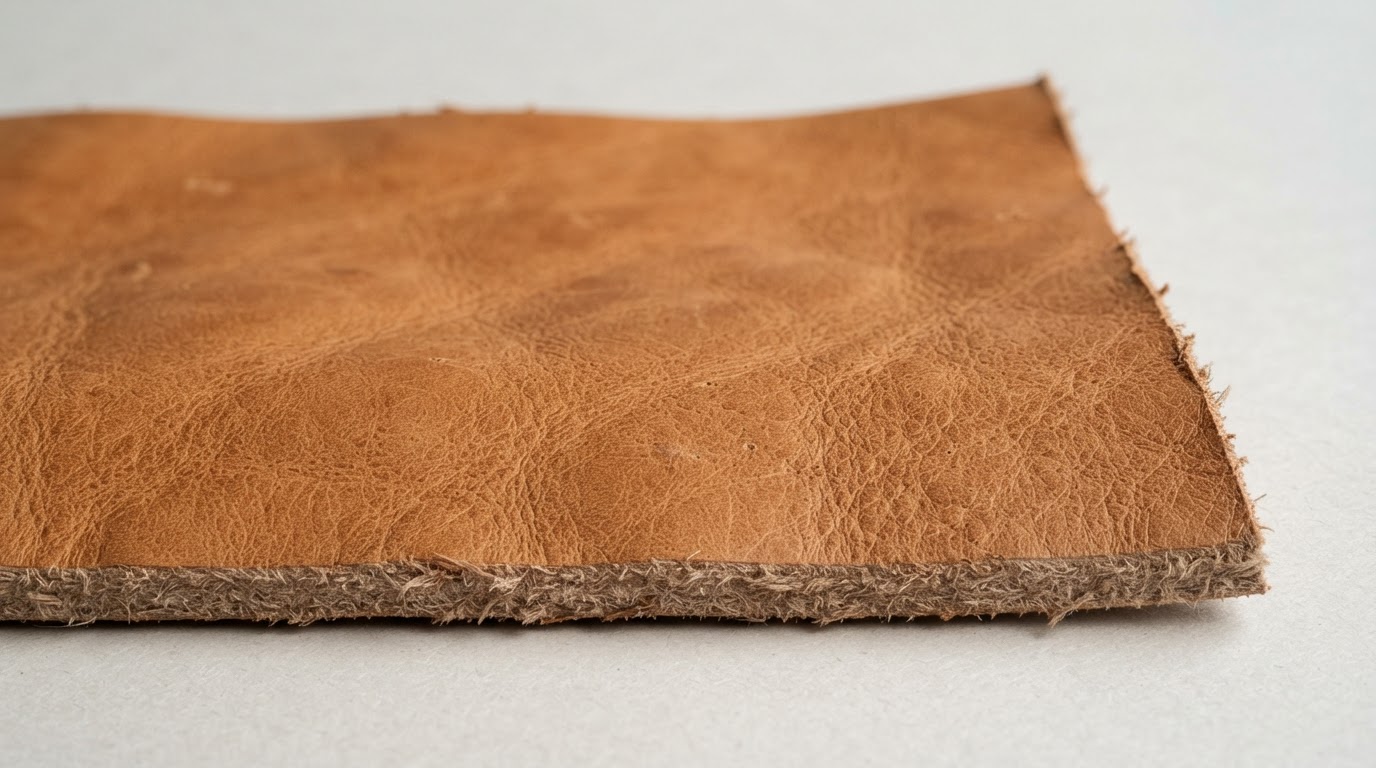
A natural animal-hide material used for goods, wallets, labels, and decoration. Leather is a strong laser material, but its tanning and finishing type matters enormously for safety — vegetable-tanned leather is the common laser choice, while chrome-tanned and many coated/synthetic products can release hazardous fumes.
Quick compatibility overview
How each digital fabrication technology relates to leather at a glance. See the sections below for detail.
- Diode LaserGood — A capable match with normal considerations.
- CO2 LaserExcellent — A strong, well-suited match for this material.
- Fiber LaserNot applicable — Not a meaningful combination for this material and technology.
- CNC RouterLimited — Possible but with significant constraints; often not the best choice.
- FDM 3D PrintingNot applicable — Not a meaningful combination for this material and technology.
- Resin 3D PrintingNot applicable — Not a meaningful combination for this material and technology.
Compatibility by technology
What each process can do with leather, important limitations, and safety considerations.
Diode Laser
Good — A capable match with normal considerations.Diode lasers cut and engrave vegetable-tanned leather well for labels, wallets, and decoration. Identify the actual tanning/finishing first — chrome-tanned and many coated leathers can release hazardous fumes.
Operations
- Cutting
- Engraving
Suited to
- Cutting and engraving vegetable-tanned leather
- Personalized leather goods, labels, and wallets
Limitations
- Results and safety depend on tanning and finishing type
- Chrome-tanned and many coated leathers can release hazardous fumes
- Identify the actual material before processing
Safety considerations
- Identify the tanning/finishing type before laser processing — chrome-tanned leather can release toxic fumes and is widely flagged as unsafe to laser-process.
- Ventilation is required; never process unknown or synthetic 'leather' without confirming composition.
Compatibility of Diode Laser with Leather.
CO2 Laser
Excellent — A strong, well-suited match for this material.CO2 lasers cut and engrave vegetable-tanned leather cleanly and are a strong match for leather goods and labels. As with all leather, the tanning and finishing type determines safety — chrome-tanned and coated products require caution.
Operations
- Cutting
- Engraving
Suited to
- Clean cutting and engraving of vegetable-tanned leather
- Personalized goods, patches, and labels
Limitations
- Safety depends on tanning/finishing type — identify the material first
- Chrome-tanned and many coated leathers can release hazardous fumes
- Ventilation is required
Safety considerations
- Vegetable-tanned leather is the common safe laser choice; chrome-tanned leather is widely flagged as hazardous to laser-process.
- Ventilation/exhaust is required; confirm material composition before processing.
Compatibility of CO2 Laser with Leather.
Fiber Laser
Not applicable — Not a meaningful combination for this material and technology.Fiber lasers are designed for metal and are not a practical process for leather. The wavelength and power profile are not suited to organic hide material.
Suited to
Limitations
- Fiber lasers are not a leather cutting or engraving tool
- Using the wrong laser type can burn or damage the material
Compatibility of Fiber Laser with Leather.
CNC Router
Limited — Possible but with significant constraints; often not the best choice.A CNC router can cut leather with a sharp small tool or drag knife in some setups, but leather is flexible and hard to hold flat, and a laser is usually the better tool. CNC is not a common leather process.
Operations
- Cutting
Suited to
- Cutting flat leather in a well-held setup, where a laser is unavailable
Limitations
- Leather is flexible — workholding and keeping it flat are difficult
- A laser is usually the better tool for leather
- Tooling and feeds must suit a soft, flexible material
Compatibility of CNC Router with Leather.
FDM 3D Printing
Not applicable — Not a meaningful combination for this material and technology.FDM printers print thermoplastic filament and do not produce leather. Flexible TPU can mimic some leather-like properties but is a different material.
Suited to
Limitations
- FDM does not produce leather parts
- Flexible filaments are plastics, not leather
Compatibility of FDM 3D Printing with Leather.
Resin 3D Printing
Not applicable — Not a meaningful combination for this material and technology.Resin printers cure photopolymer and do not produce leather. Leather-like resins are not leather.
Suited to
Limitations
- Resin printing does not produce leather parts
Compatibility of Resin 3D Printing with Leather.
Material safety notes
- Identify the tanning and finishing type before laser processing — chrome-tanned leather is widely flagged as hazardous to laser-process due to toxic fumes.
- Do not assume all products sold as 'leather' are equally safe; coated, synthetic, and faux leather products may release hazardous fumes. Confirm material composition first.
Notes & context
- Leather is a material where composition matters most: vegetable-tanned leather is the common laser choice, while chrome-tanned and many coated/synthetic products are not safe to laser-process.
- When in doubt, identify the actual material and check manufacturer/supplier documentation before processing.
Related guides
Sources & further reading
Selected references used to establish the compatibility guidance above. Always confirm against current manufacturer and material documentation before processing.
- Chrome tanned leather... safe on our laser or not? (community safety discussion) — Glowforge CommunityChrome-tanned leather laser-processing hazard and vegetable-tanned as the safer choice.
- Why Laser Engraved Leather Smells Horrible — And How to Remove It — FumeClearVegetable-tanned vs. chrome-tanned fume differences and ventilation.