Material compatibility reference
Steel Fabrication Compatibility
A strong iron-carbon alloy — including mild steel and stainless steel — used for structural and mechanical parts. Steel is where the distinction between a CNC router and a metalworking mill becomes most important, and where fiber laser marking is very different from fiber laser cutting.
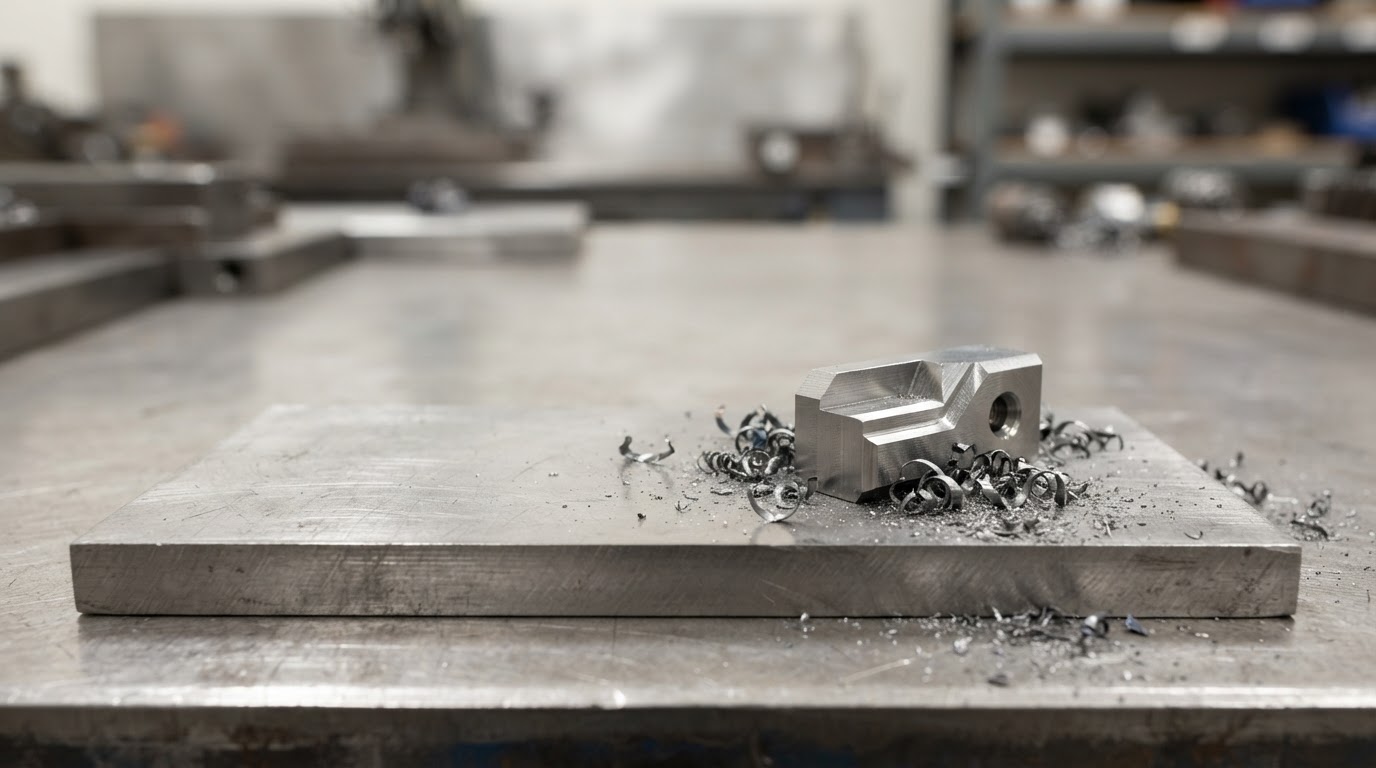
Quick compatibility overview
How each digital fabrication technology relates to steel at a glance. See the sections below for detail.
- Diode LaserNot recommended — Technically possible in some cases but generally a poor or unsafe choice.
- CO2 LaserNot recommended — Technically possible in some cases but generally a poor or unsafe choice.
- Fiber LaserConditional — Works, but depends heavily on machine, settings, or material specifics.
- CNC RouterNot recommended — Technically possible in some cases but generally a poor or unsafe choice.
- FDM 3D PrintingNot applicable — Not a meaningful combination for this material and technology.
- Resin 3D PrintingNot applicable — Not a meaningful combination for this material and technology.
Compatibility by technology
What each process can do with steel, important limitations, and safety considerations.
Diode Laser
Not recommended — Technically possible in some cases but generally a poor or unsafe choice.Typical desktop diode lasers cannot cut steel and are not a practical way to machine it. Bare steel is reflective and poorly absorbed at diode wavelengths; some marking is possible only with specific coatings or marking compounds.
Suited to
- Marking some coated steel surfaces with appropriate marking compounds, where supported
Limitations
- Diode wavelengths are not absorbed well by bare steel
- Not a cutting or machining process for steel
- Reflective metal can redirect beam energy — follow machine safety guidance
Compatibility of Diode Laser with Steel.
CO2 Laser
Not recommended — Technically possible in some cases but generally a poor or unsafe choice.CO2 lasers are generally not suitable for cutting or machining steel on typical desktop equipment. The wavelength is poorly absorbed by the metal, and reflected energy is a serious safety concern.
Suited to
Limitations
- CO2 wavelength is poorly absorbed by steel
- Not a practical cutting process on desktop CO2 machines
- Reflective metals can present beam-reflection hazards — follow manufacturer guidance
Compatibility of CO2 Laser with Steel.
Fiber Laser
Conditional — Works, but depends heavily on machine, settings, or material specifics.Fiber lasers (1064nm) mark and engrave steel well. However, fiber marking/engraving systems and industrial fiber cutting systems are very different machine classes — a desktop fiber marker is not a steel cutter. Cutting steel requires a high-power industrial fiber cutting laser.
Operations
- Marking
- Engraving
Suited to
- Marking and engraving steel (serial numbers, barcodes, branding)
- Anneal marking on stainless steel where the machine supports it
Limitations
- Desktop fiber systems are marking/engraving tools, not steel cutters
- Cutting steel requires an industrial-class high-power fiber cutting laser
- Marking and cutting are entirely different machine classes
Compatibility of Fiber Laser with Steel.
CNC Router
Not recommended — Technically possible in some cases but generally a poor or unsafe choice.Typical hobby/prosumer CNC routers are generally not the right tool for serious steel machining. Steel's hardness and cutting forces demand a rigid metalworking mill or machining center, appropriate tooling, and coolant. A router-class machine is usually the wrong architecture for steel.
Suited to
- Very light steel work only on an unusually rigid, well-equipped machine — generally not recommended
Limitations
- Steel cutting forces exceed what most router-class machines are built for
- Requires a metalworking mill/machining center, appropriate tooling, and coolant
- A CNC router and a metalworking CNC mill are different machine classes
Safety considerations
- Steel machining on an under-rigid machine risks tool breakage and loss of workholding — follow manufacturer guidance.
- Use appropriate PPE, chip management, and coolant for any steel machining.
Compatibility of CNC Router with Steel.
FDM 3D Printing
Not applicable — Not a meaningful combination for this material and technology.Typical desktop FDM printers do not print solid steel. Metal-filled filament is a composite printing material — not a solid metal part — and is outside conventional steel fabrication.
Suited to
Limitations
- FDM does not produce solid steel parts
- Metal-filled filaments are composites, not equivalent to machined or cast steel
Compatibility of FDM 3D Printing with Steel.
Resin 3D Printing
Not applicable — Not a meaningful combination for this material and technology.Typical desktop resin printers cure photopolymer and do not produce solid steel. Specialized metal additive manufacturing exists but is outside the typical desktop comparison.
Suited to
Limitations
- Resin printing does not produce solid metal parts
- Industrial metal additive manufacturing is a different equipment class
Compatibility of Resin 3D Printing with Steel.
Material safety notes
- Steel machining requires a rigid metalworking machine, appropriate tooling, and coolant — a typical CNC router is not rated for it.
- Reflectivity matters for laser processes — never attempt to laser-process metal without confirming the machine is rated for it.
Notes & context
- Steel is the clearest case for distinguishing a CNC router from a metalworking CNC mill — see the CNC mill vs. router comparison.
- Fiber laser marking and fiber laser cutting are different machine classes: a desktop fiber marker is not a steel cutter.
Related guides
Related materials
Sources & further reading
Selected references used to establish the compatibility guidance above. Always confirm against current manufacturer and material documentation before processing.
- CO2 vs Fiber Laser: Which One Should You Buy? — Thunder Laser USAFiber (1064nm) marking/engraving of metals including steel; CO2 poor absorption by metals.